The Hidden Costs of Designing Your Home Yourself
Thinking About DIY’ing Your Home? Here’s What to Know Before You Start.
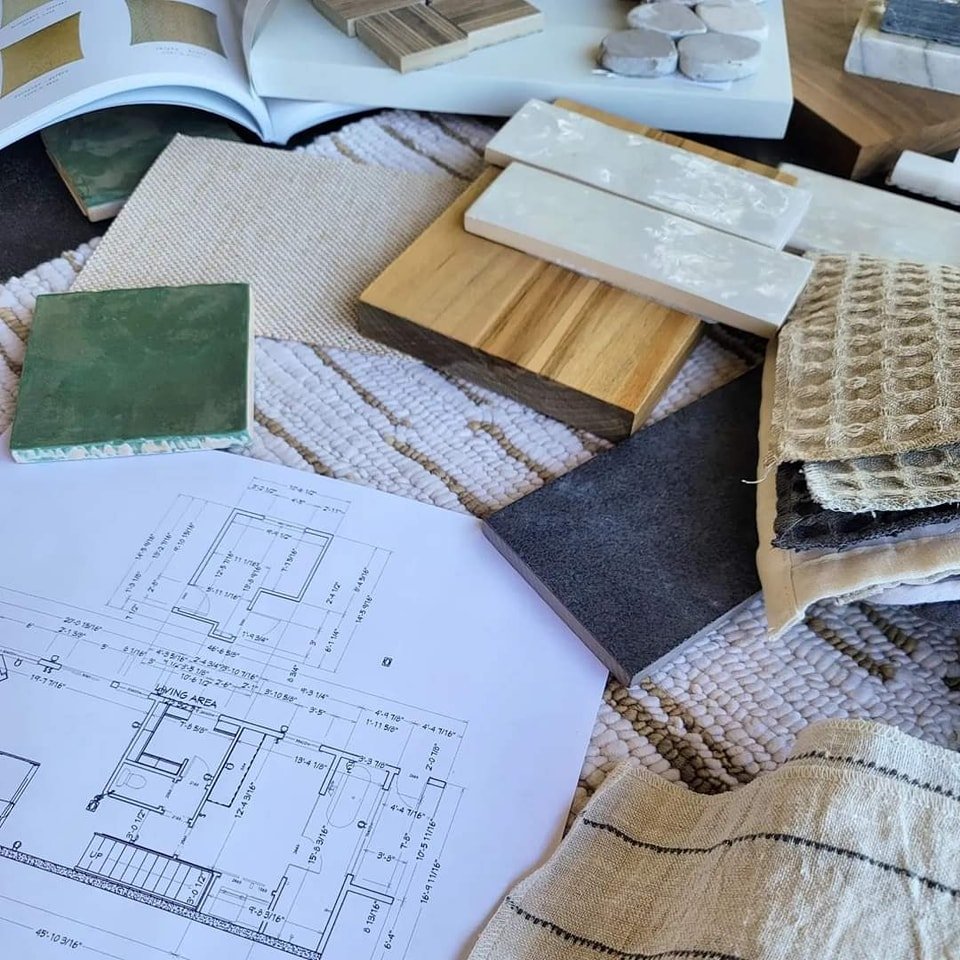
Your home is where comfort, beauty, and everyday life should come together in a way that feels natural. It should support the way you live, gather, rest, work, cook, host, and move through each day.
But even with the best intentions, designing your home on your own can become overwhelming quickly. What starts as a few inspiration images and a simple plan can turn into delayed timelines, mismatched pieces, budget surprises, and choices that almost work—but not quite.
The beautiful homes you admire usually do not happen by accident. Behind them are hundreds of decisions, thoughtful planning, careful measurements, trusted vendors, quality craftsmanship, and a design vision that connects every detail.
At Rust Belt, we believe good design is about more than making a room look beautiful. It is about creating a home that feels intentional, functional, cohesive, and deeply personal to the way you live.
Here are some of the most common hidden costs of DIY interior design—and why working with a full-service design team can help protect your time, budget, and peace of mind.
Buying Pieces That Don’t Fit the Space
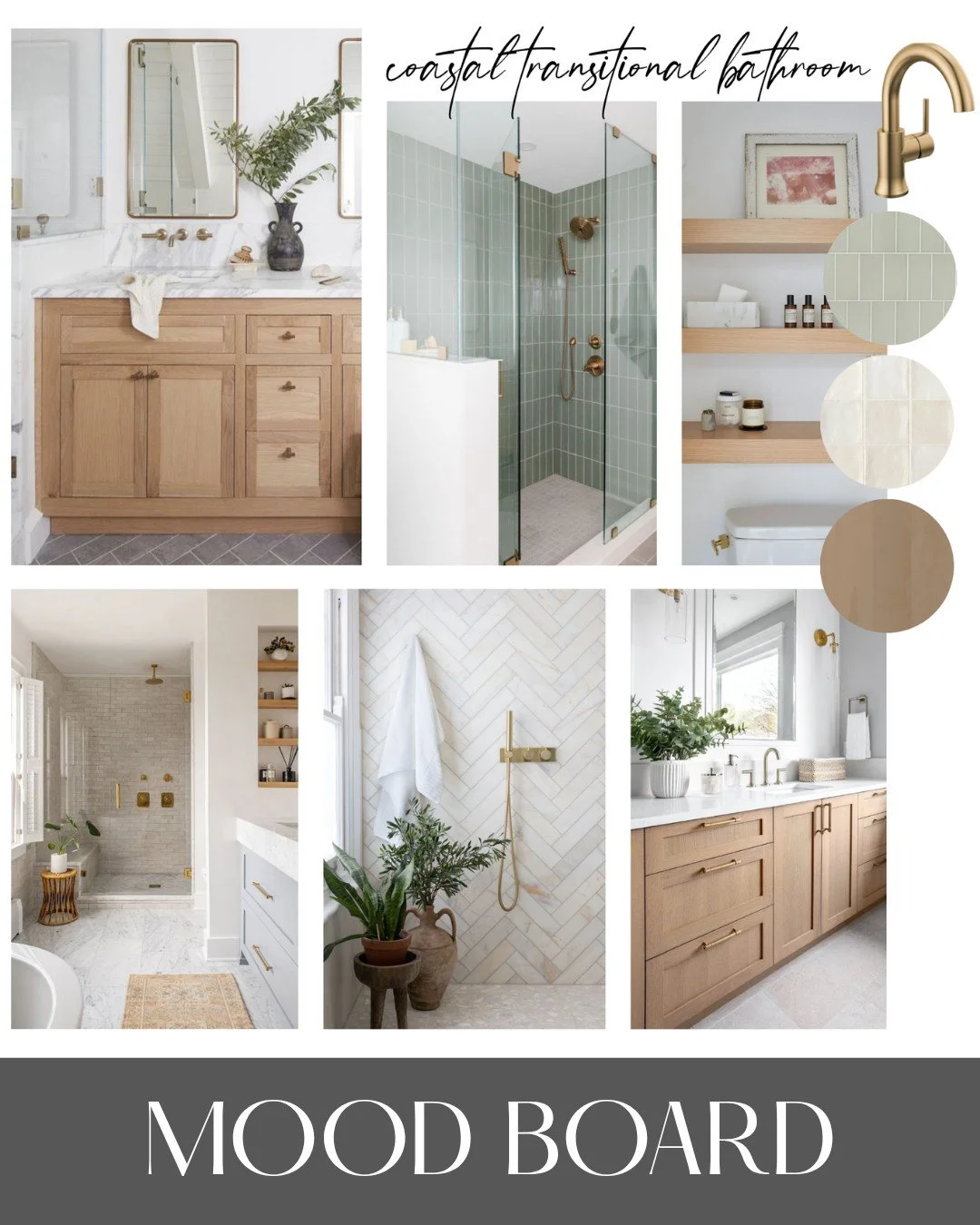
It happens all the time. A beautiful sofa arrives, a dining table finally gets delivered, or the perfect vintage cabinet shows up—only to realize it blocks a walkway, overwhelms the room, feels too small, or throws off the balance of the space.
Scale is one of the trickiest parts of interior design to master, and it is also one of the most noticeable when it is wrong. A piece can be beautiful on its own and still not be right for your home.
How Designers Help
A designer looks at scale, proportion, circulation, furniture placement, and room function before anything is purchased. We measure carefully, plan intentionally, and source pieces with the full space in mind—not just the individual item.
This helps ensure every piece feels like it belongs, supports the way the room is used, and works with the rest of the home.
Underestimating Timelines
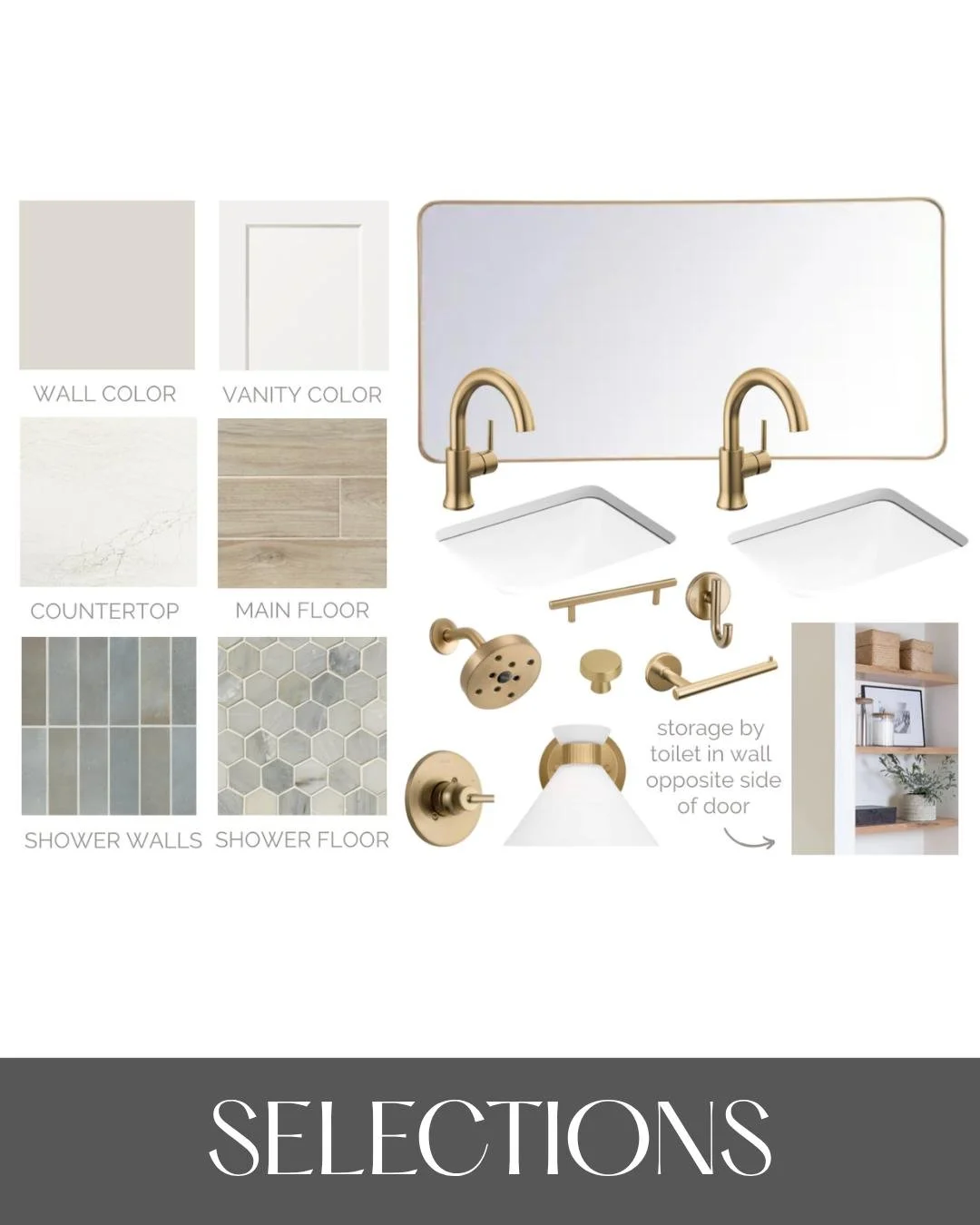
Design timelines are almost always longer than homeowners expect. Furniture lead times, cabinetry planning, fabric availability, lighting selections, contractor schedules, finish samples, shipping delays, and installation timing all affect the overall project. When those details are not planned early, the process can become frustrating fast.
A room may look simple once it is finished, but getting there often requires a lot of coordination behind the scenes.
How Designers Help
A full-service design team helps organize the process from the beginning. We help map out decisions, coordinate selections, communicate with vendors and trades, and keep the project moving in the right order.
Instead of reacting to each issue as it comes up, the project has a plan. That creates a smoother experience and helps reduce unnecessary delays.
Poor Lighting and Electrical Planning
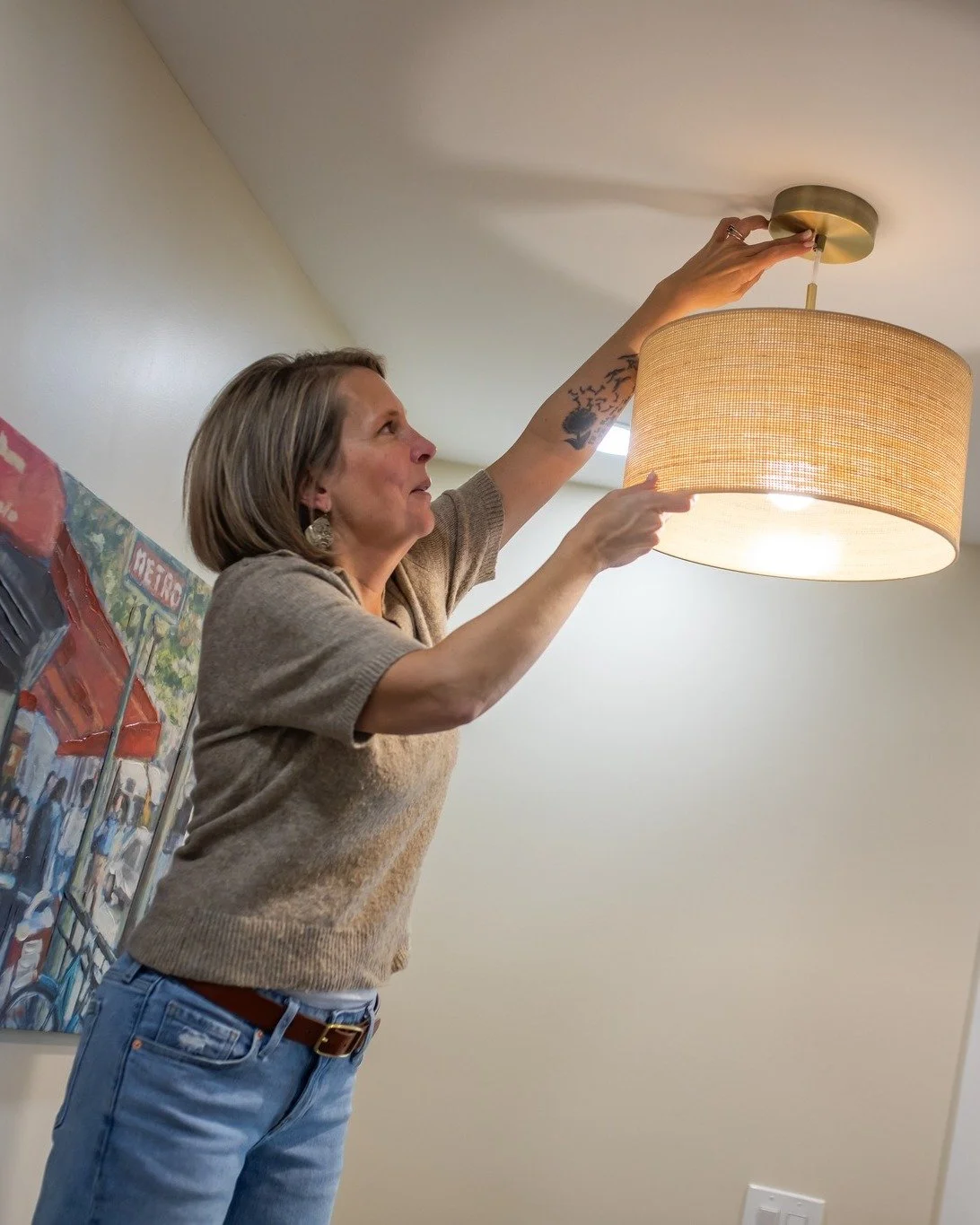
Lighting is one of the most important parts of a well-designed home, but it is often treated as an afterthought in DIY projects.
Good lighting does more than brighten a room. It shapes the mood, highlights architectural details, supports daily routines, and helps a space feel warm and layered. Poor lighting can make even beautiful furniture and finishes feel flat.
Electrical planning matters too. Outlet locations, sconces, switches, under-cabinet lighting, picture lights, pendants, dimmers, and task lighting all need to be considered early—especially during a renovation.
How Designers Help
Designers think through lighting in layers: ambient, task, and accent. We consider how the room will be used, where light is needed, what should be highlighted, and how fixtures relate to scale and architecture.
When lighting and electrical planning are handled early, the final space feels more thoughtful, functional, and finished.
Choosing Trend Over Timelessness
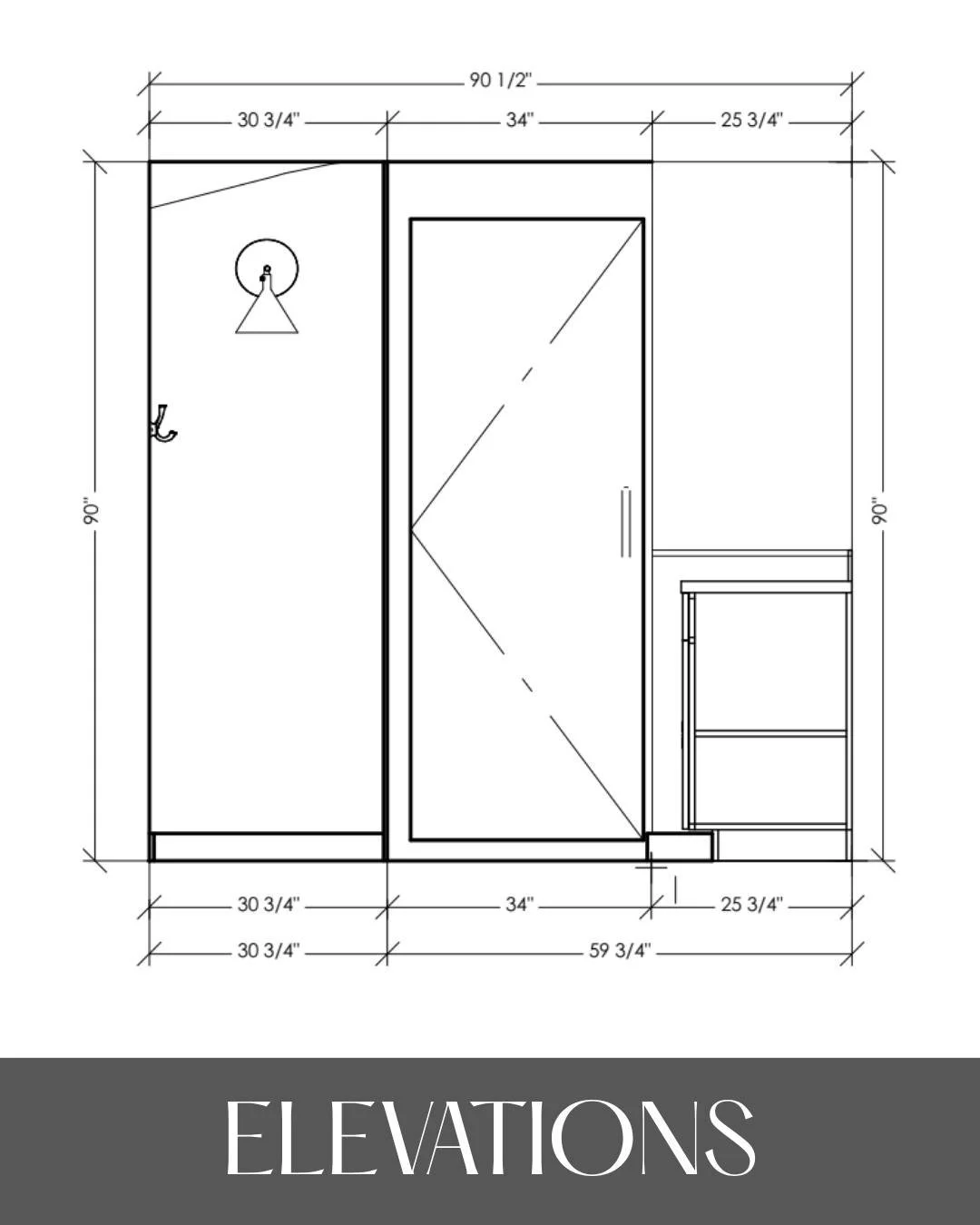
It is easy to fall in love with what is trending. We all do it. A color, tile, light fixture, or furniture style starts showing up everywhere, and suddenly it feels like the obvious choice.
But trends can date a space quickly, especially when they are used without considering the architecture of the home, the surrounding rooms, or your long-term style.
A home should feel current, but it should not feel like it belongs to one specific moment in time.
How Designers Help
A designer helps filter inspiration through the lens of longevity. We look at what you are drawn to, what makes sense for your home, and which choices will still feel good years from now.
The goal is not to avoid trends completely. The goal is to use them thoughtfully, in ways that feel personal, balanced, and connected to the overall design.
Lack of Cohesion Between Spaces
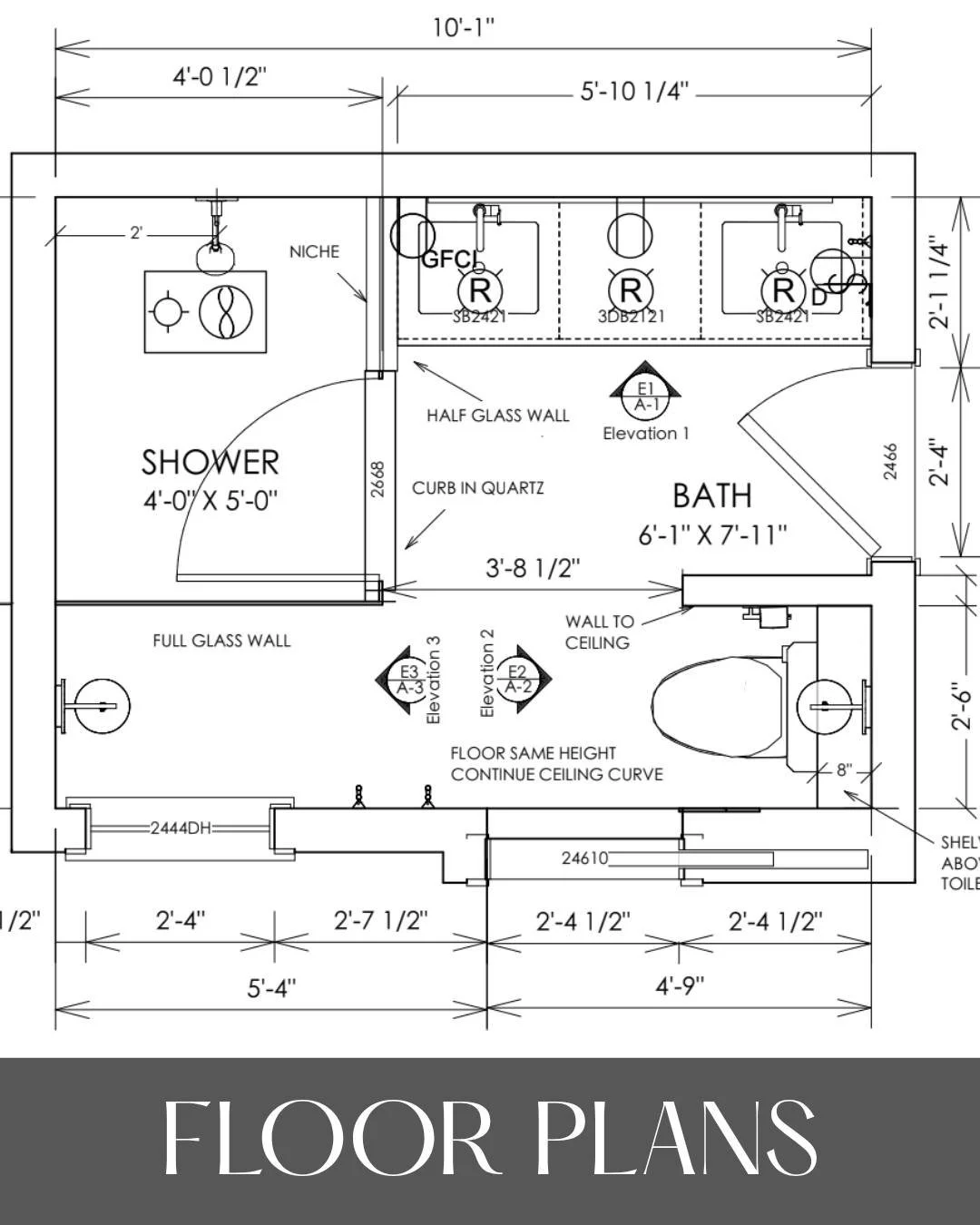
DIY design often happens one room at a time.
You finish the living room. Then later, the dining room. Then maybe the entry. Then the kitchen. Each space may be beautiful individually, but over time the home can start to feel disconnected.
Paint colors do not quite relate. Wood tones compete. Finishes feel slightly off. Furniture styles shift too much from room to room. Nothing is technically wrong, but the home does not feel as cohesive as you hoped.
How Designers Help
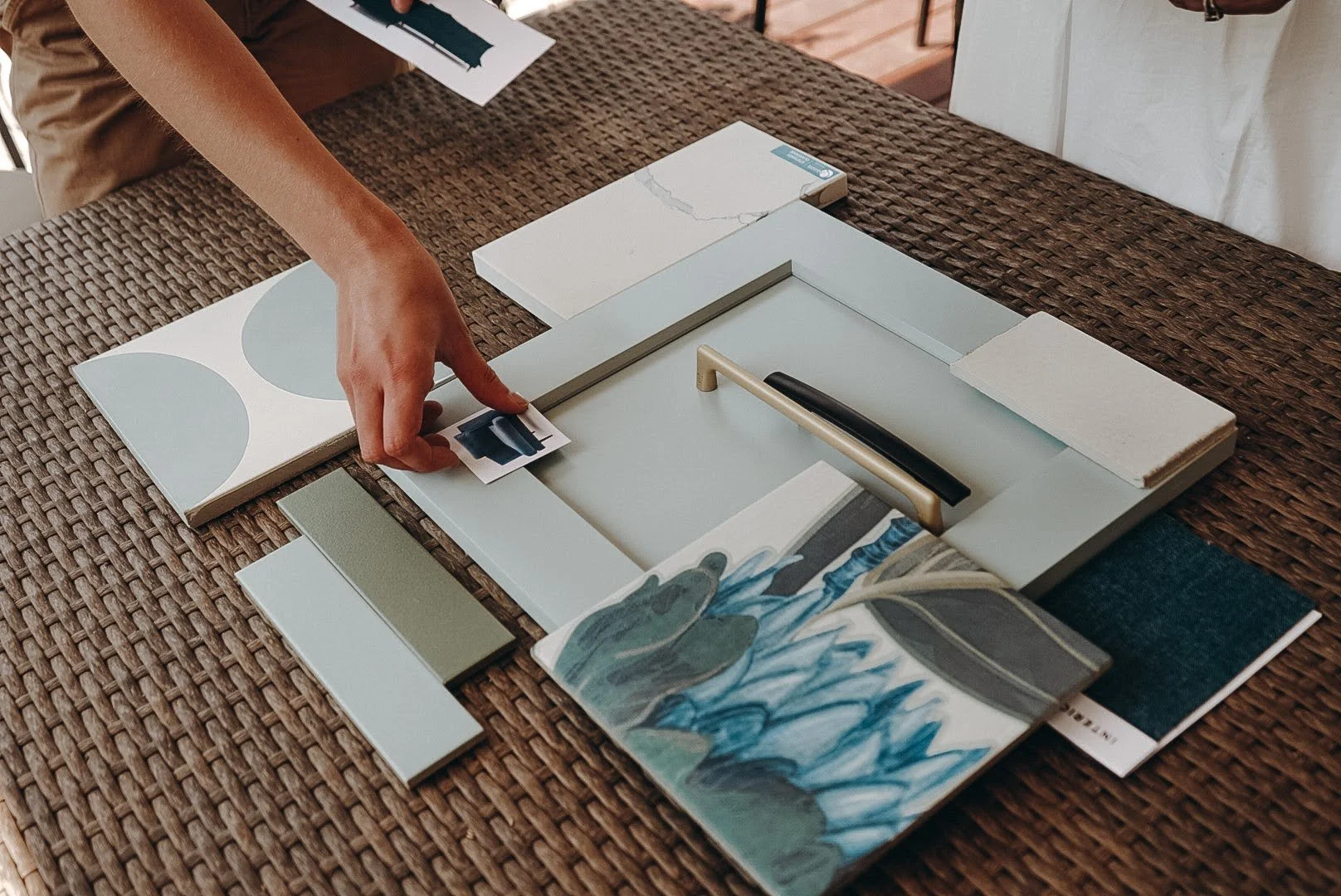
A designer looks at the home as a whole. We consider color palettes, materials, textures, lighting, cabinetry, furnishings, architectural details, and how each room connects to the next.
This creates a sense of flow and intention throughout the home. Instead of feeling like separate projects, the spaces begin to feel connected.
Hidden Costs Add Up
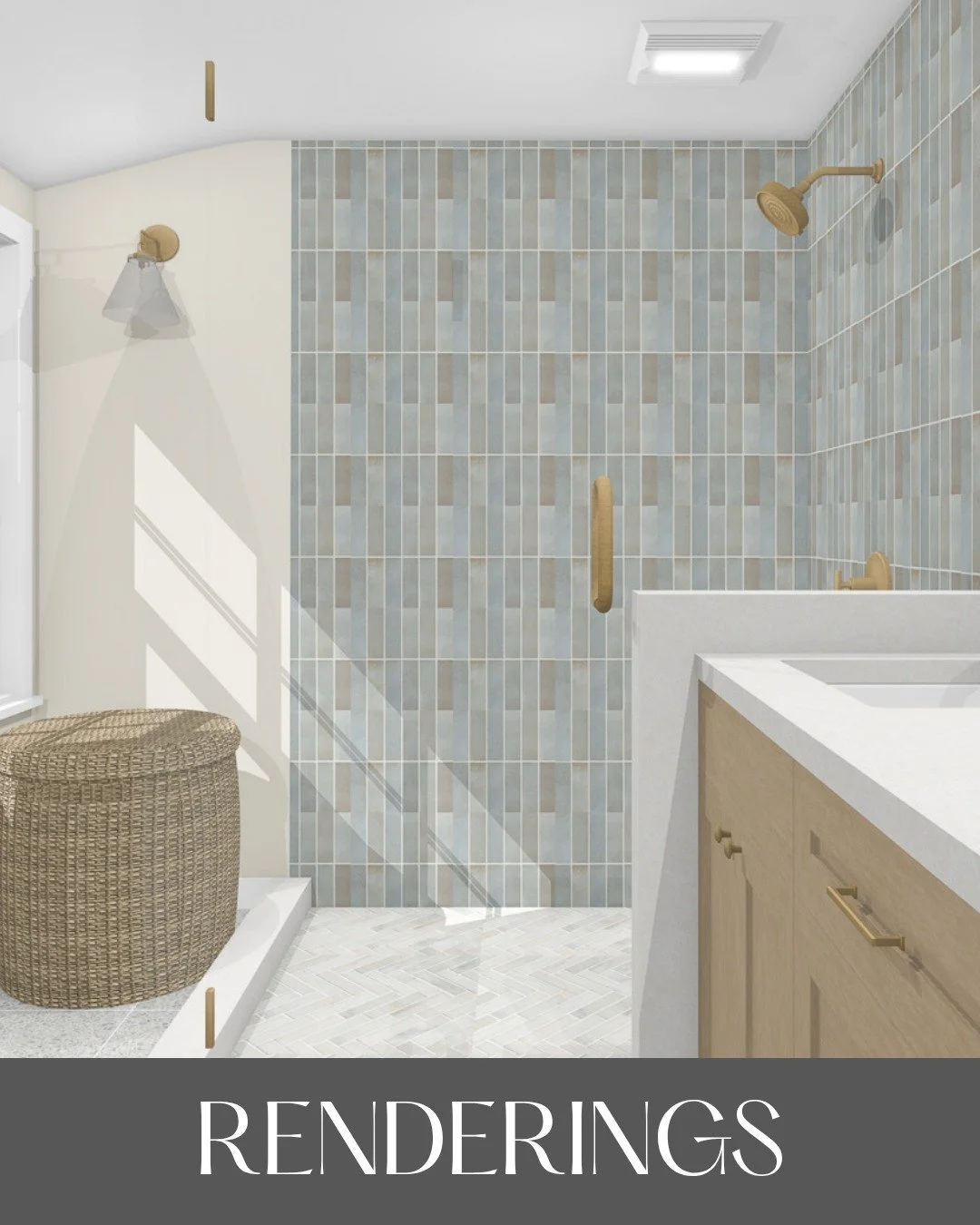
One of the biggest misconceptions about DIY design is that it always saves money.
Sometimes it does. But often, the hidden costs add up quickly.
Incorrect measurements, wrong-size furniture, poor-quality materials, rushed purchases, returns, reorders, shipping fees, installation issues, and design mistakes can become expensive. And in renovations, changes made after work begins almost always cost more than decisions made during the planning phase.
How Designers Help
A designer helps protect your investment by making decisions in the right order. We anticipate potential issues before they become expensive problems and help you spend your budget where it matters most.
The goal is not to make every selection the most expensive option. The goal is to make the right decisions for your home, your lifestyle, and your long-term goals.
Why a Full-Service Design Team Makes All the Difference
Designing your home is personal. It is exciting, but it also comes with a lot of decisions.
A full-service interior design team changes the experience entirely. You are not just hiring someone to choose paint colors or furniture. You are partnering with professionals who understand how layout, lighting, cabinetry, materials, furnishings, construction details, and daily function all work together.
At Rust Belt, our design process is especially connected because interior design, custom cabinetry, and renovation planning all happen within one in-house team. That means we are not designing in isolation. We are thinking about how the space will be built, how the cabinetry will function, how the finishes will come together, and how the home will feel once everything is complete.
The process becomes clearer, more organized, and less overwhelming. While you focus on how you want your home to feel, your design team manages the details that bring that vision to life.
How to Choose the Right Interior Designer
Choosing the right interior designer is about more than finding someone whose style you like. The right designer should understand your goals, communicate clearly, respect your investment, and guide you through the process with confidence.
Here are a few questions to consider before hiring an interior designer.
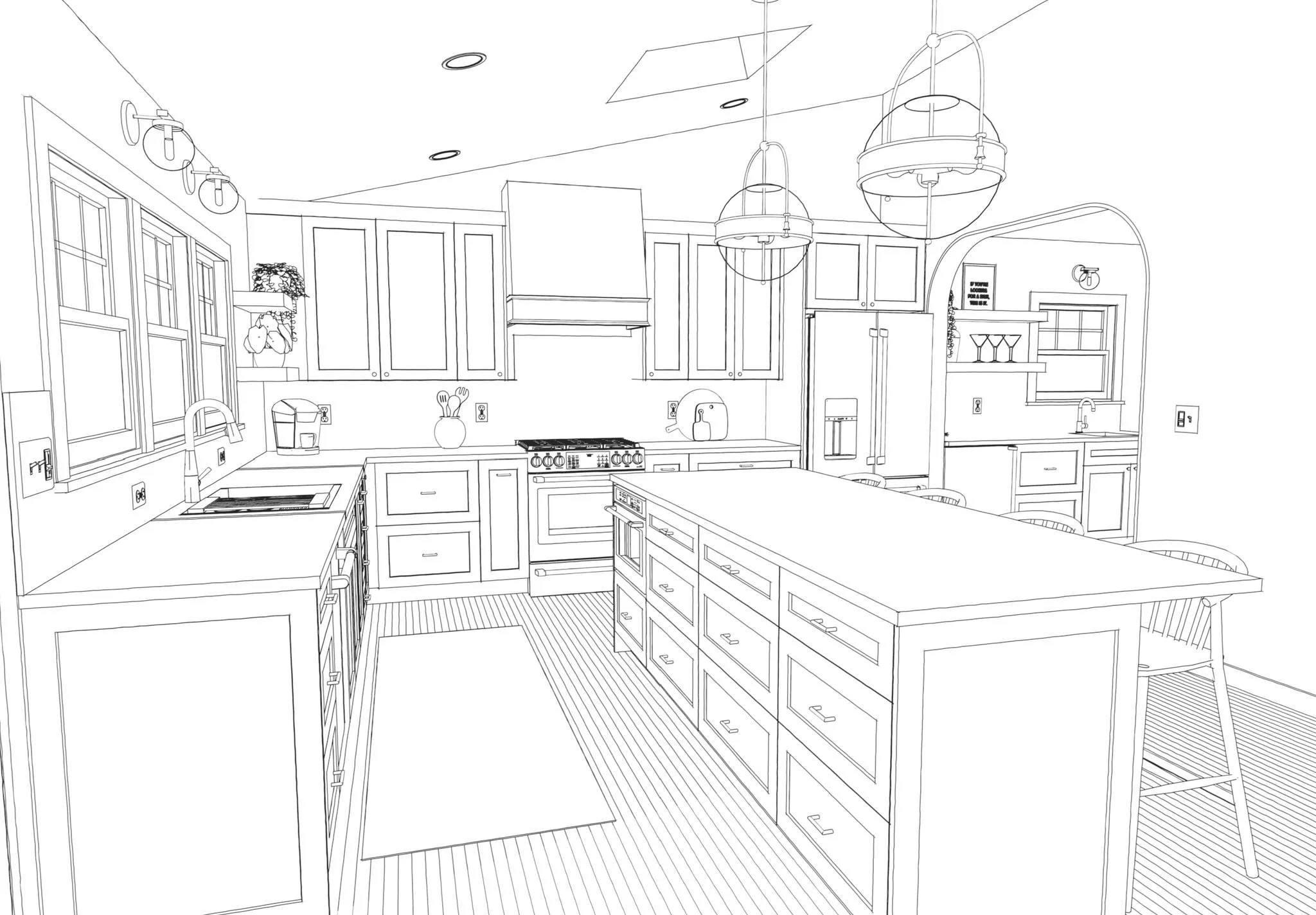
How Do I Find a Trusted Interior Designer Near Me?
Look for a designer with experience on projects similar to yours. That may be a full-home renovation, a kitchen design, a historic home, a furnishing project, or a single-room redesign.
A local designer also understands the homes, vendors, contractors, and resources in your area. For homeowners in Buffalo and Western New York, that can be especially helpful when working with older homes, historic architecture, custom cabinetry, and renovation planning.
What Qualities Should I Look for in an Interior Designer?
Look for someone who takes time to understand how you live, not just what style you like.
A good designer should be able to explain their process clearly, help you understand what to expect, and guide decisions in a way that feels organized rather than overwhelming. The first conversation should leave you feeling heard, comfortable, and confident about the next step.
What Makes a Strong Interior Design Portfolio?
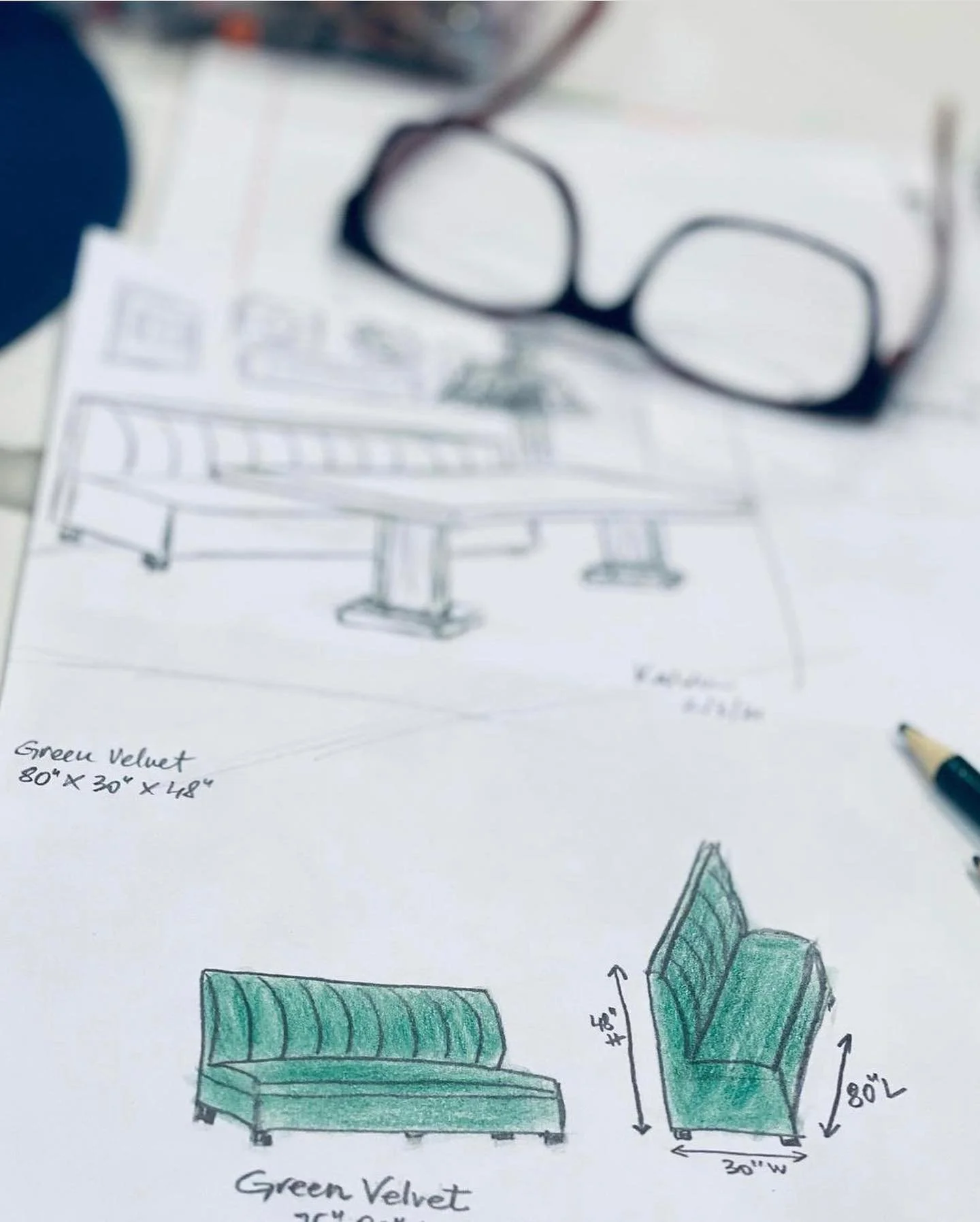
A strong portfolio should show more than pretty rooms. It should show thoughtful layouts, cohesive materials, strong attention to detail, and spaces that feel both beautiful and livable.
As you review a designer’s work, look for consistency in quality, not sameness in style. The best designers are able to create homes that reflect their clients while still feeling polished and intentional.
Does It Matter If an Interior Designer Has Awards or Press Coverage?
Awards and press features can be helpful signs of credibility and industry recognition. They show that a designer’s work has been noticed and respected beyond their own website or social media.
That said, they are only one piece of the puzzle. Strong communication, a clear process, client trust, and proven experience are just as important.
How Can I Tell If an Interior Designer Has Happy Clients?
Read reviews and testimonials. Look for comments about communication, organization, problem-solving, and the overall experience—not just the finished photos.
A beautiful result matters, of course. But so does how the project felt along the way.
Why Should I Review a Designer’s Online Presence?
A designer’s website, blog, Instagram, and portfolio can help you understand their style, values, process, and level of professionalism.
Consistent, thoughtful content is often a sign that the designer is active, engaged, and serious about their work. It also gives you a better sense of whether their approach feels aligned with what you are looking for.
Final Thoughts
Designing your home yourself can seem simple at first, but the hidden costs often show up in the details: wrong sizing, rushed decisions, poor lighting, disconnected rooms, delayed timelines, and money spent fixing mistakes that could have been avoided with a stronger plan.
A full-service designer helps bring clarity to the process. They help you make decisions in the right order, create a cohesive vision, and protect the investment you are making in your home. If you are thinking about a full-home design, renovation, furnishing project, or custom cabinetry project in Buffalo or Western New York, we would love to help.
At Rust Belt, we create homes that feel intentional, cohesive, and deeply connected to the way our clients live. Our process keeps everything organized and clear, so you know what to expect at every stage.
We invite you to schedule a discovery call, share your ideas, and explore how designing your home can feel thoughtful, personal, and a lot less overwhelming.
Written by Rust Belt’s in-house design and cabinetry team, specializing in interior design, custom cabinetry, and luxury renovations throughout Buffalo and Western New York.