Renovating your home is exciting. Living inside the renovation? That is a slightly different category of adventure.
One of the most common questions homeowners ask before construction begins is whether they can stay in the house during the remodel or whether they should temporarily move out. The honest answer is that it depends on the scope of the work, the layout of the home, the length of construction, and how much disruption your household can realistically tolerate.
Some families successfully live through a renovation with a temporary kitchen, a clearly separated work zone, and a respectable amount of patience. Others discover that moving out for a few weeks or months is the best decision they made during the entire project.
Neither option is automatically right or wrong.
The goal is to make the decision before construction begins, preferably before the first wall comes down and everyone realizes the coffee maker is now living on a folding table in the bedroom.
The Quick Answer
Staying in your home may be realistic when:
The project is limited to one contained area
You still have access to a working kitchen or bathroom
The construction zone can be separated from the rest of the house
Utility interruptions will be limited
Your household is comfortable with noise, dust, workers, and changing routines
Children and pets can be kept safely away from the work area
Moving out may be the better choice when:
Your kitchen will be fully out of service
Your only bathroom is being renovated
Work is happening across several rooms or floors
The project includes major structural changes
Flooring is being replaced throughout the home
Plumbing, electrical, heat, or water will be unavailable for extended periods
Someone in the home works remotely, has respiratory sensitivities, or needs a quieter routine
The project involves a large-scale or whole-home renovation
The decision is less about whether you can stay and more about whether staying will be safe, manageable, and worth the daily disruption.
What Living Through a Remodel Actually Looks Like
Even a thoughtfully planned renovation is still construction.
There will be noise. There will be people moving through the property. There will be deliveries, tools, temporary protection, changing access points, and at least one day when you wonder how dust found its way into a room that was completely closed.
A well-managed renovation includes floor protection, dust containment, site organization, regular cleaning, and clear communication. Those measures make an enormous difference but they do not turn an active construction site into a quiet spa retreat.
Depending on the project, homeowners may experience:
Early workday start times
Power-tool and equipment noise
Limited access to certain rooms
Temporary plumbing or electrical shutdowns
Dust and construction debris
Workers and trade partners entering the home
Deliveries and material storage
Changes to parking, entrances, or household routines
Temporary loss of kitchen, laundry, or bathroom facilities
Understanding this ahead of time helps you make a realistic decision instead of an optimistic one made while everything is still clean and peaceful.
The Benefits of Staying in Your Home
For smaller or well-contained projects, remaining in the home can make sense.
You Avoid Temporary Housing Costs - Moving out may involve rent, hotel costs, pet accommodations, storage, and additional travel. Staying home can preserve more of the household budget for the renovation itself.
You Remain Close to the Project - Although a well-organized team should not need constant client supervision, some homeowners appreciate being nearby for scheduled walkthroughs, questions, and progress updates.
You Maintain Part of Your Routine - If the project is isolated from the main living areas, staying home may allow work, school, meals, and family routines to continue with only moderate changes.
You Keep Access to the Rest of the House - A guest bathroom remodel, office renovation, mudroom project, or contained addition may leave enough of the home functioning normally for staying to be practical.
That said, staying home does not mean living exactly as you did before. It means creating a temporary version of normal and being honest about whether your household can live with it.

The Challenges of Living Through Construction
The biggest challenges are not always the dramatic ones. Often, it is the accumulation of small disruptions that starts to wear people down.
Noise - Construction noise can make remote work, naps, virtual meetings, homework, and quiet mornings difficult. Headphones help. They do not make demolition silent.
Dust - Professional containment and cleaning reduce dust, but construction dust is determined. It has ambition. It will occasionally appear somewhere you did not invite it.
Privacy - Your home becomes a workplace for part of the day. Even with respectful crews and clear schedules, that can feel different from having the house entirely to yourself.
Temporary Loss of Everyday Spaces - Losing a kitchen, laundry room, primary bathroom, or main entrance affects more than the physical room. It changes the routines built around it.
Children and Pets - Young children and pets may have difficulty understanding work-zone boundaries. Doors, tools, debris, temporary barriers, and frequent arrivals require careful planning and supervision.
Decision Fatigue - Living next to the work can make every small issue feel urgent. A clear communication process helps prevent clients from feeling as though they need to monitor the project all day.
Project by Project: When Can You Usually Stay?
Every home and renovation is different, but the scope offers some useful clues.
Guest Bathroom, Office, Mudroom, or Single-Room Renovation
Staying home is often realistic when the work is contained and the household still has access to essential spaces.
The key questions are:
Can the construction area be closed off?
Is there another usable bathroom or entry?
Will the work interrupt major household systems?
Can children and pets remain safely separated?
For a smaller project, the inconvenience may be manageable—especially when the renovation has a defined work zone and schedule.
Kitchen Renovation
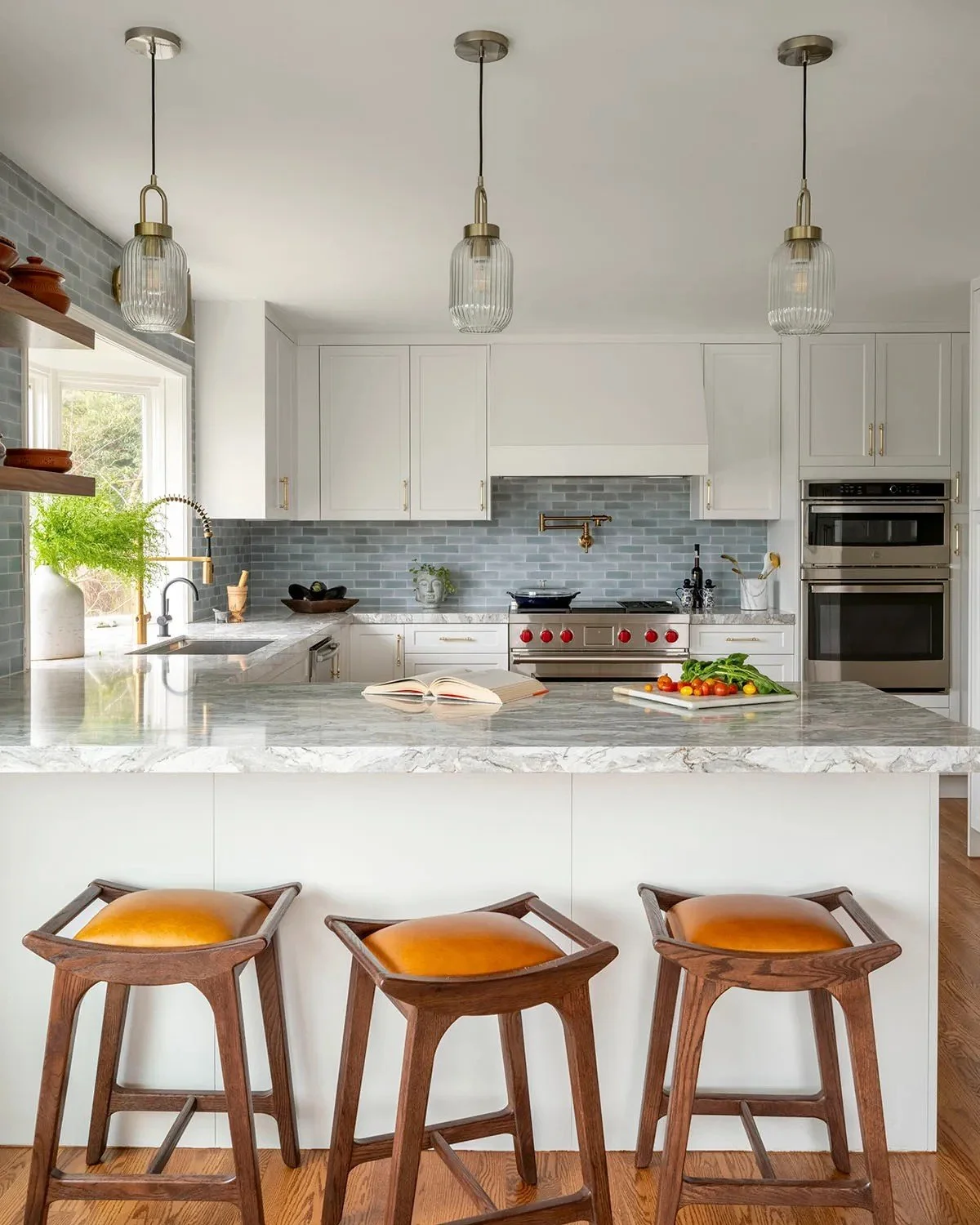
A kitchen renovation is possible to live through, but it requires planning.
Homeowners may need a temporary kitchen equipped with:
A refrigerator or mini fridge
Microwave
Coffee maker
Toaster oven, electric skillet, or multicooker
Folding table or temporary counter
Basic dishes and utensils
Easy access to water and cleanup
The bigger question is not whether you can technically make dinner. It is whether your family can comfortably manage several weeks of simplified meals, dishes in another sink, food storage in an unusual place, and no normal cooking zone.
For some people, this becomes a funny family story. For others, it becomes the reason they never want to see takeout again.
Primary or Only Bathroom Renovation
If another full bathroom remains available, staying may be reasonable. If the bathroom under construction is the only one in the house, temporary relocation is usually the more practical option unless a safe and code-compliant temporary arrangement is available.
Flooring Throughout the Home
Large-scale flooring work can affect access, furniture placement, stairs, bedrooms, and the ability to move safely through the house. Even if the project seems straightforward, replacing or refinishing flooring across multiple rooms may make temporary relocation easier for both the household and the crew.

Addition
Whether you can remain home during an addition depends on how separated the new construction is from the existing house. Early phases may be largely exterior and easier to live beside. Once the project connects into the existing structure, the household may experience temporary openings, utility work, noise, dust, and changing access.
Whole-Home Renovation
For a true whole-home renovation, moving out is often the safer and more comfortable decision. When construction affects multiple rooms, mechanical systems, flooring, plumbing, electrical work, cabinetry, and finish work, there may be no genuinely peaceful or functional part of the home left to retreat to.
Older Buffalo and Western New York homes can also reveal unexpected conditions once construction begins. That does not mean something will go wrong; it means large renovations require flexibility, access, and room for the team to respond efficiently.
Historic Home Renovation
Historic homes deserve a little extra planning and they occasionally bring their own opinions to the project. Original plaster, aging mechanical systems, uneven floors, old framing, hidden repairs, and architectural details can all affect phasing and access. Staying home may still be possible during a contained historic renovation, but larger restoration work is often easier when the household is temporarily elsewhere.
Questions to Ask Before Making the Decision
Before deciding to stay or move, talk honestly with everyone in the household.
Which rooms will remain fully usable?
Will we have a working kitchen and bathroom?
Can the construction zone be safely separated?
How early will the crew begin work?
Will water, electricity, heat, or internet be interrupted?
Can someone work or attend school from another location?
How will children and pets be managed?
Is anyone sensitive to noise, dust, or changing routines?
Can we safely enter and exit the home during each phase?
Where will furniture and personal belongings be stored?
How long can we realistically tolerate the disruption?
Is temporary housing already included in our renovation budget?
Would moving out allow the work to proceed more efficiently?
There is no prize for enduring construction inside the house if everyone is miserable. There is also no requirement to move out for a small, carefully phased project that leaves most of the home functioning normally.
The right answer is the one that fits the actual scope and your household not the answer that sounds toughest.

How Preconstruction Planning Makes the Experience Easier
The stay-or-move decision should be part of preconstruction planning, not a conversation held the morning demolition begins. Before construction, the project team and homeowner should review:
Work hours and site access
Construction entrances
Parking and delivery locations
Dumpster and material-storage areas
Dust and floor protection
Rooms that will remain occupied
Temporary kitchen or bathroom arrangements
Planned utility interruptions
Children and pet safety
Alarm systems, locks, and access codes
Daily and weekly communication
Project photos and progress documentation
Cleaning expectations
Schedule changes and field decisions
Client walkthroughs and approval points
At Rust Belt, our interior design, cabinetry, and renovation teams work together so those practical construction decisions stay connected to the design plan. The goal is not simply to get through the renovation. It is to protect the home, maintain clear communication, and keep the finished vision intact while the work is underway.
Staying Home? Create a Renovation Survival Plan
If you decide to remain in the house, set up your temporary living plan before construction begins.
Create a Clean Zone - Choose at least one room that remains entirely separate from construction. Keep it comfortable, organized, and free from project materials. Everyone needs one place that does not feel like the renovation has moved in and claimed the furniture.
Pack More Than You Think You Need To - Remove fragile items, artwork, small décor, countertop items, and anything stored near the construction area. The fewer things the crew has to protect or work around, the easier it is to maintain a safe and organized site.
Plan Food Ahead of Time - For kitchen projects, decide where food will be stored, prepared, and cleaned up. Stock simple meals and identify a few reliable alternatives before the cabinets come out.
Create a Pet Plan - Decide whether pets will stay in a secured room, attend daycare, remain with family, or relocate during louder phases. The crew should never have to guess whether the dog is friendly, nervous, or currently planning an escape.
Protect Your Workday - If you work from home, consider alternate work locations during demolition, rough mechanical work, flooring, or other especially noisy phases.
Expect Some Imperfection - Even with excellent planning, construction changes the rhythm of a household. Building a little flexibility into your expectations makes the experience much easier.

Moving Out? Treat It as Part of the Project Plan
Temporary relocation should be planned just as thoughtfully as the renovation itself.
Consider:
Temporary housing dates
Furniture and personal-item storage
Mail and package delivery
School and work transportation
Pet accommodations
Access to clothing, medications, paperwork, and valuables
Refrigerator and freezer contents
Scheduled project walkthroughs
Who can access the home
How changes or approvals will be communicated
Whether the housing arrangement can be extended if needed
Try to avoid booking temporary housing so tightly that one delayed delivery creates a household emergency. Renovation schedules involve many connected pieces, and a little breathing room is much kinder to everyone involved.
Will Moving Out Make the Project Faster?
Sometimes but not automatically. An unoccupied home can make certain phases more efficient because the crew has:
Fewer access restrictions
More flexibility with utility shutdowns
More room for material staging
Less daily setup and cleanup around occupied spaces
Fewer interruptions caused by household routines
However, moving out does not shorten product lead times, permit reviews, inspections, fabrication schedules, or the curing and drying time required by certain materials. Relocating may improve access and workflow, but it is not a magic fast-forward button.
Finding the Right Solution for Your Household
There is no single answer that works for every renovation. For a contained guest bathroom, office, or mudroom, staying home may be perfectly reasonable.
For a kitchen renovation, it may depend on the household’s routines, available space, and tolerance for temporary living. For a whole-home renovation, only-bathroom project, major structural work, or widespread utility interruption, moving out may create a safer and far less stressful experience.
The best decision is made with a clear understanding of:
The true project scope
The construction phases
The rooms that will remain usable
The expected timeline
Your household’s needs
The cost of temporary housing
The practical realities of living beside active construction
Thoughtful planning makes either choice easier.
Planning a Renovation in Buffalo or Western New York?
Rust Belt provides full-service interior design, custom cabinetry, and design-build renovation services throughout Buffalo and Western New York.
Our in-house team helps homeowners plan not only how their finished home will look, but how the renovation will unfold from layouts and selections to cabinetry, construction, site coordination, and final installation.
Explore our renovation services, browse completed projects, or tell us a little about your home and the project you are considering. We will help you understand what to expect including whether living through it is realistic, or whether you should pack a suitcase and enjoy a temporary break from the dust.