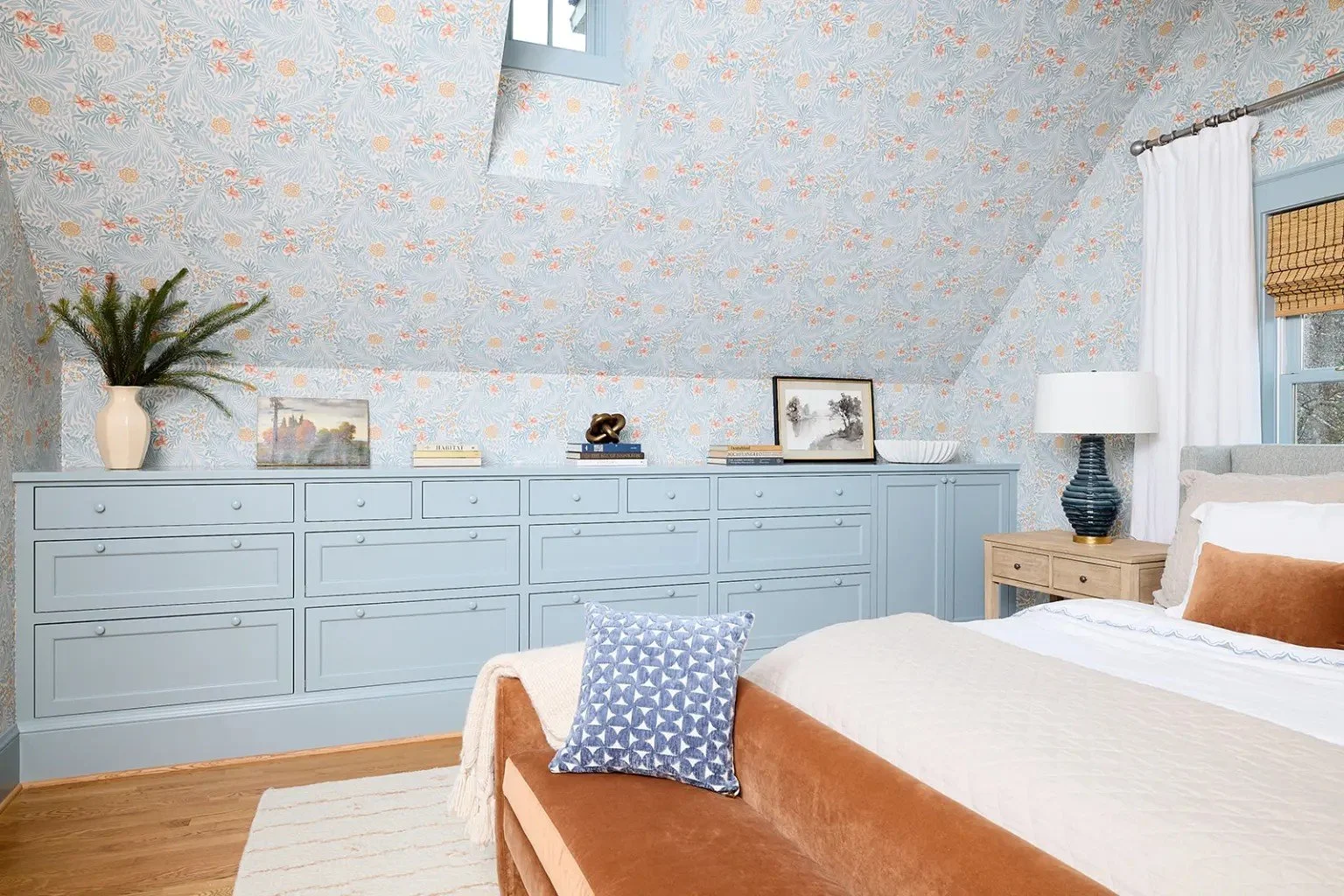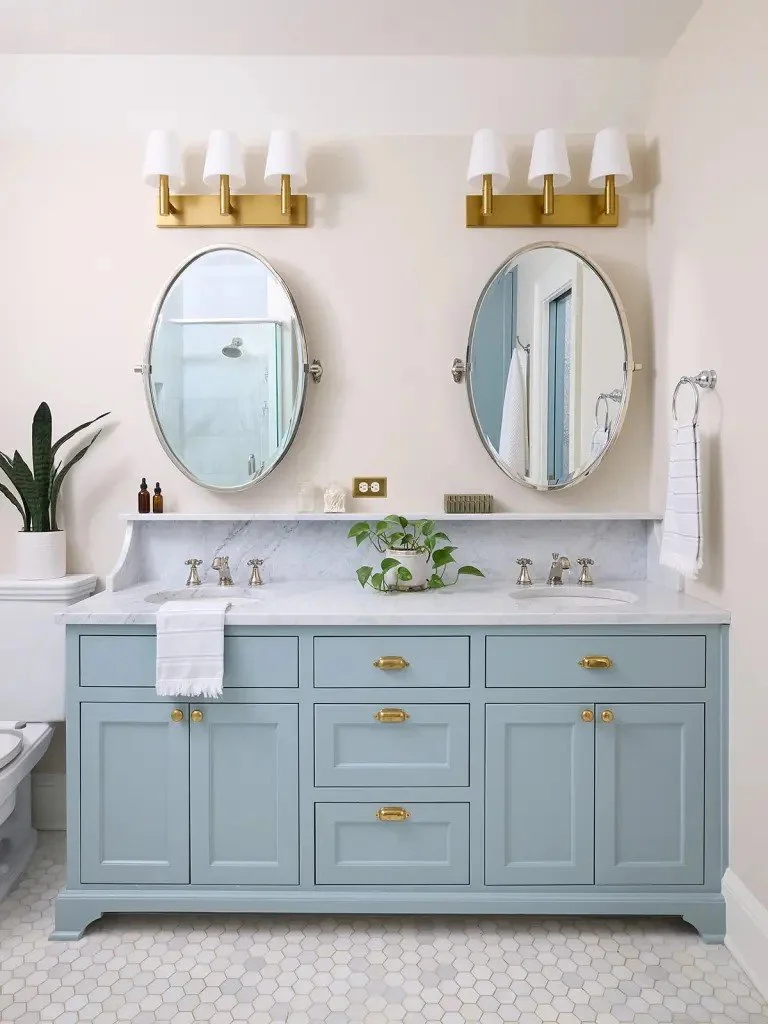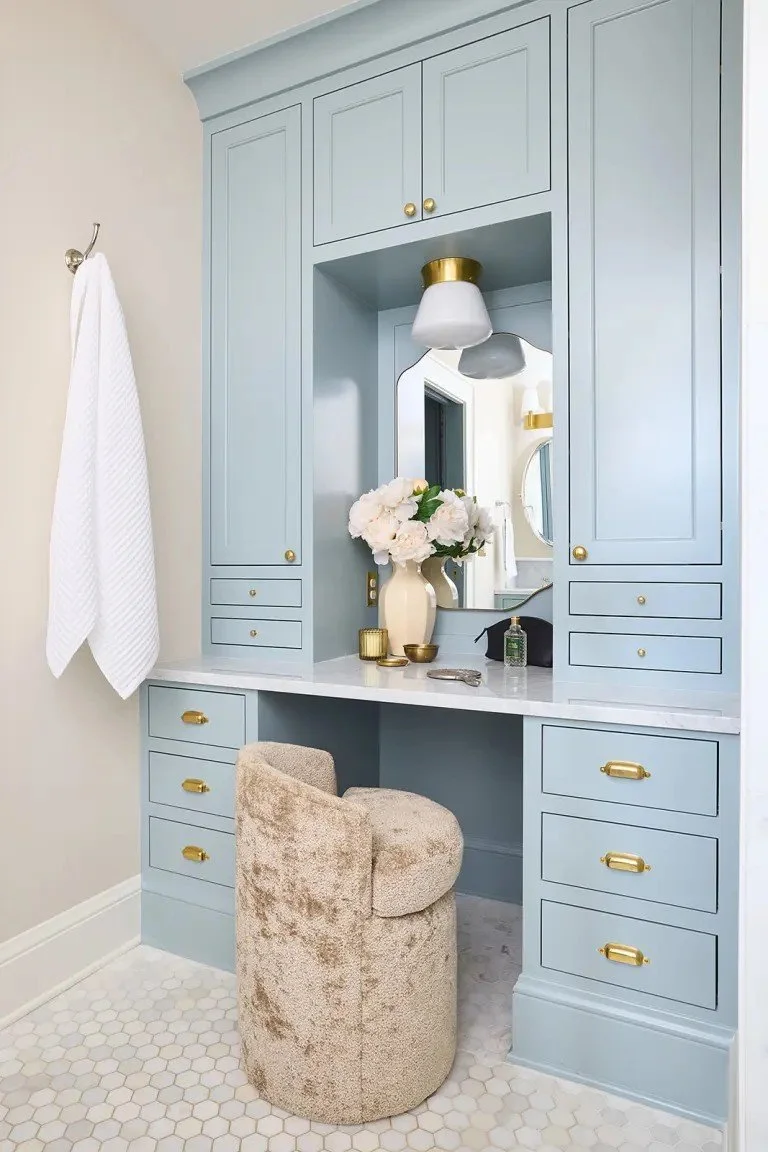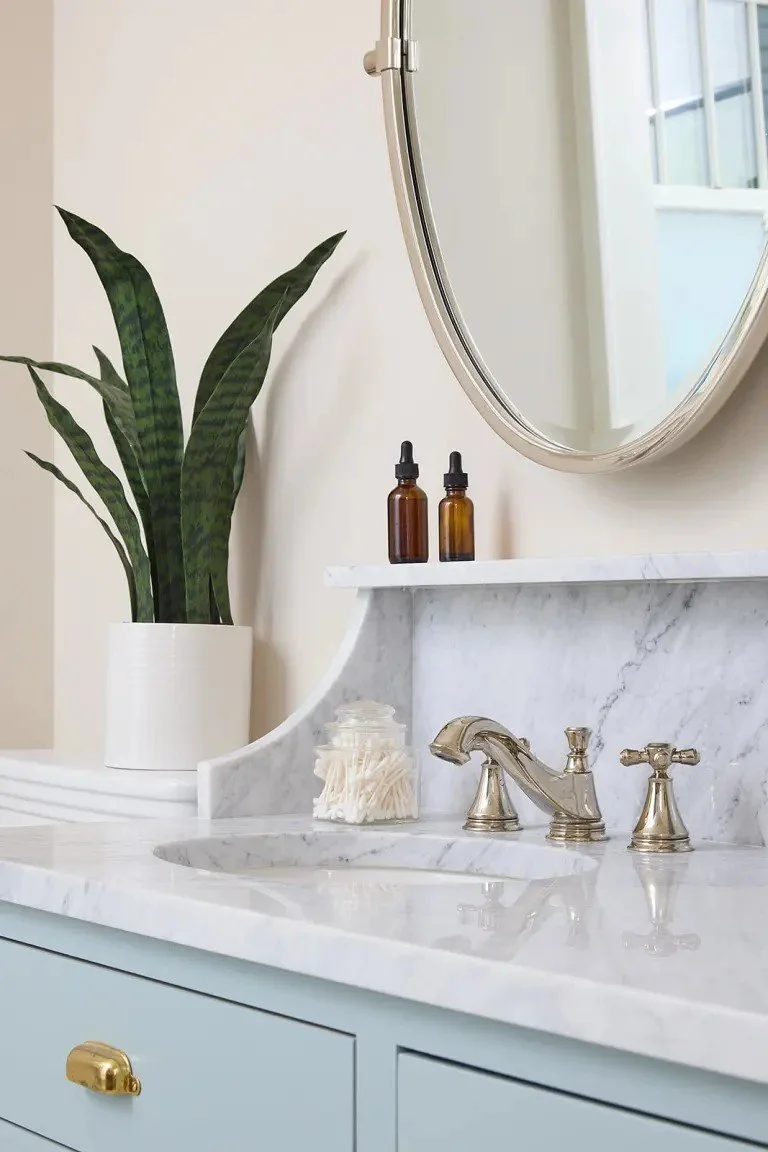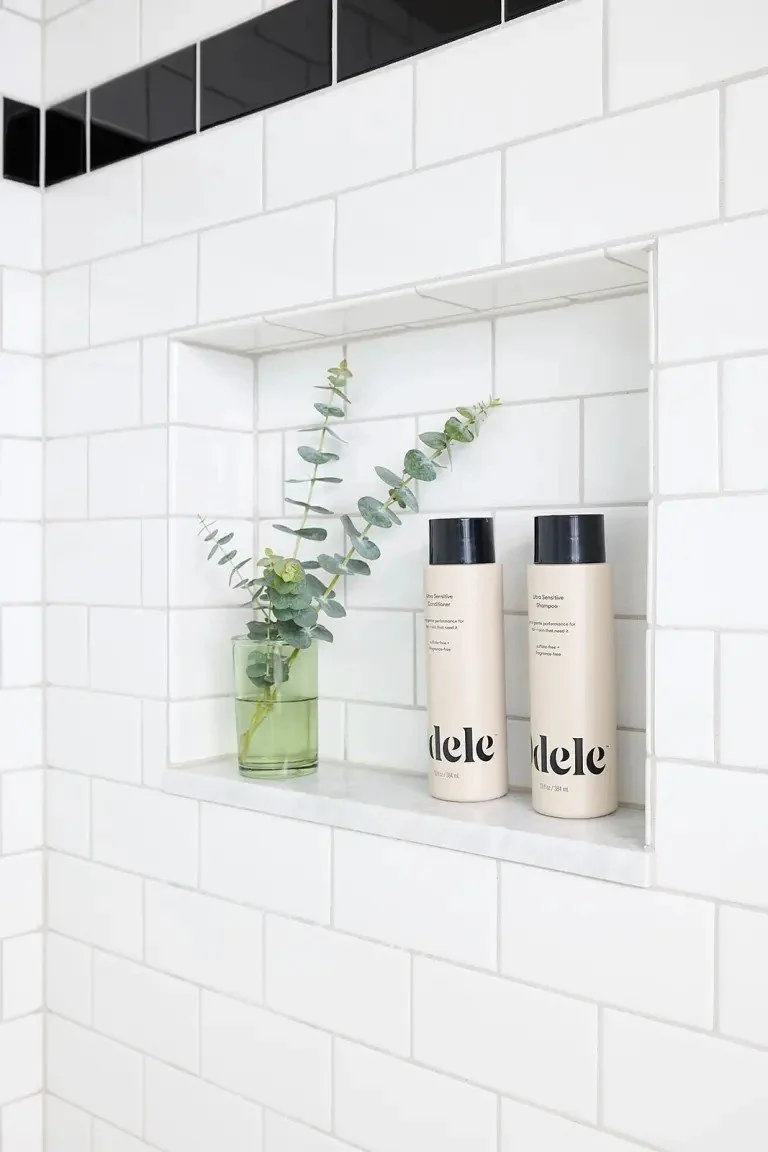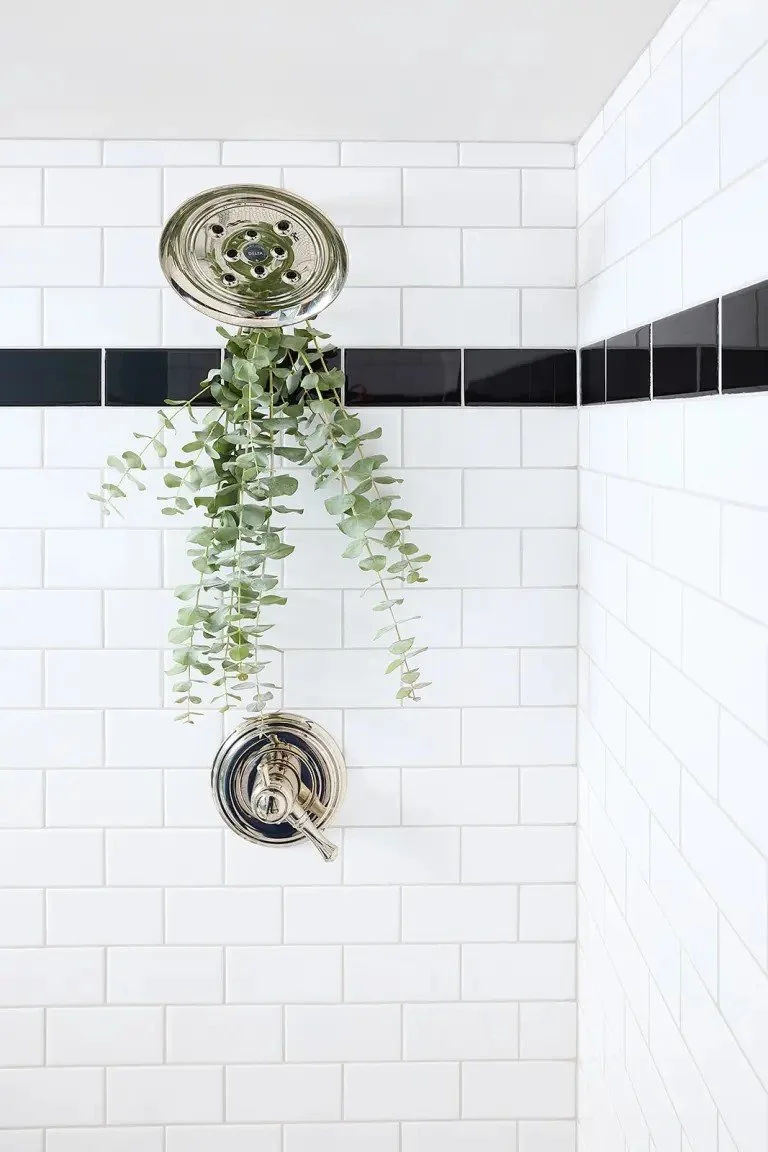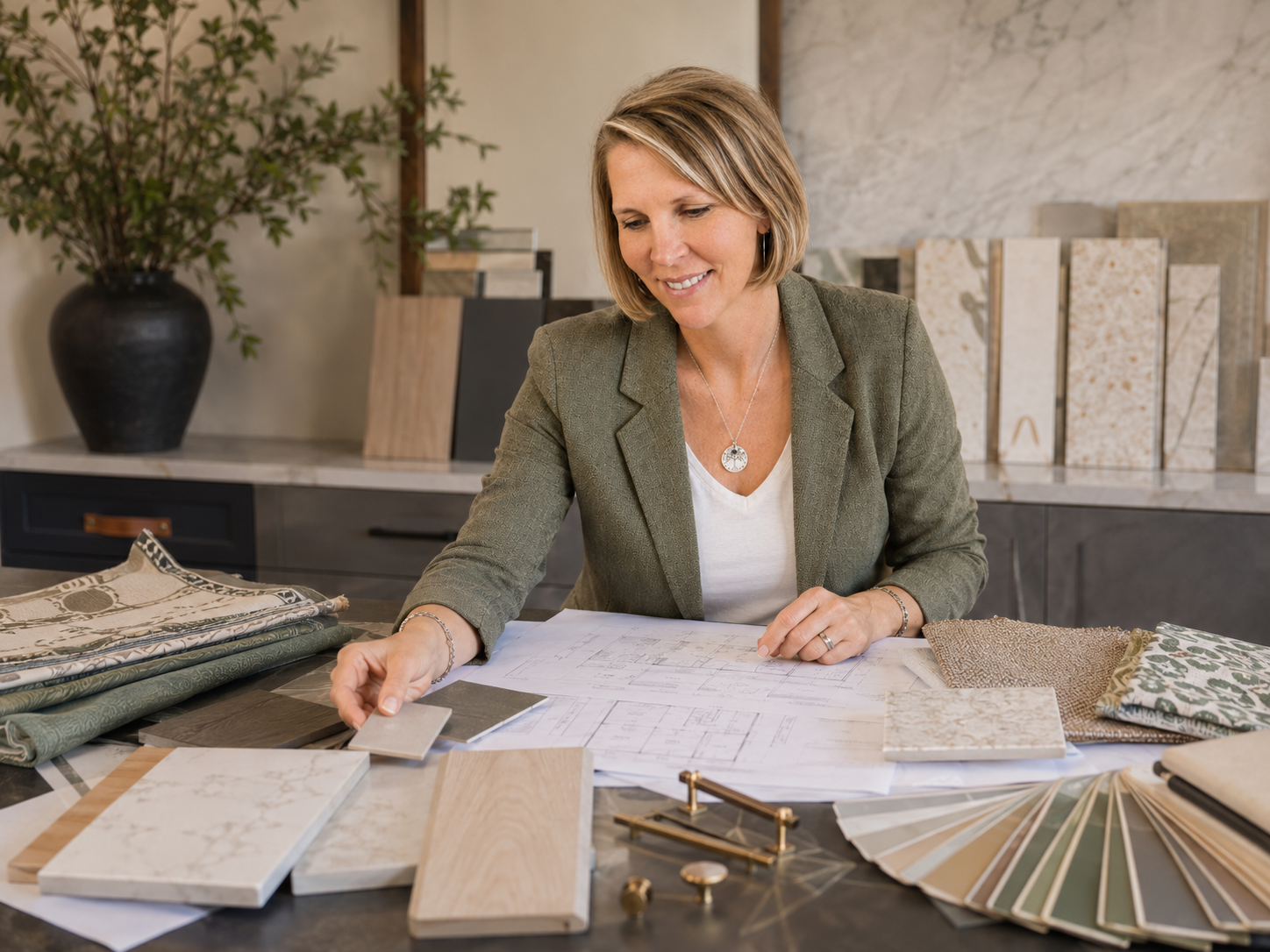
Choosing the right interior designer is about more than finding someone with a beautiful portfolio. Of course, you should love their work. But you are also trusting this person to guide major decisions, help manage your investment, communicate with trades, solve problems, and translate a lot of scattered ideas into a home that actually works.
And there will be a lot of decisions.
Layouts, cabinetry, lighting, tile, plumbing fixtures, paint, flooring, furniture, hardware, window treatments—the list gets long quickly. A pretty portfolio is important, but it cannot answer emails, catch a measurement issue, or solve an unexpected field condition during construction.
Whether you are planning a kitchen renovation, furnishing several rooms, restoring an older Buffalo home, or redesigning your entire house, the designer you choose will shape both the finished result and how the experience feels along the way. Here is what to look for before deciding who is right for your project.
A Quick Look at What Matters Most
When comparing interior designers, look at more than style alone.
A strong designer should offer:
Relevant education and credentials
Experience with your type of project
A clear and organized process
Open communication about budget and timeline
Technical knowledge beyond decorating
A portfolio that feels personal and livable
Strong reviews from past clients
A detailed proposal and contract
A personality you feel comfortable working with
That last one matters. You may be working together for months, discussing everything from countertop thickness to where you hide the dog food. The vibe check is real.
Look at Education and Professional Credentials
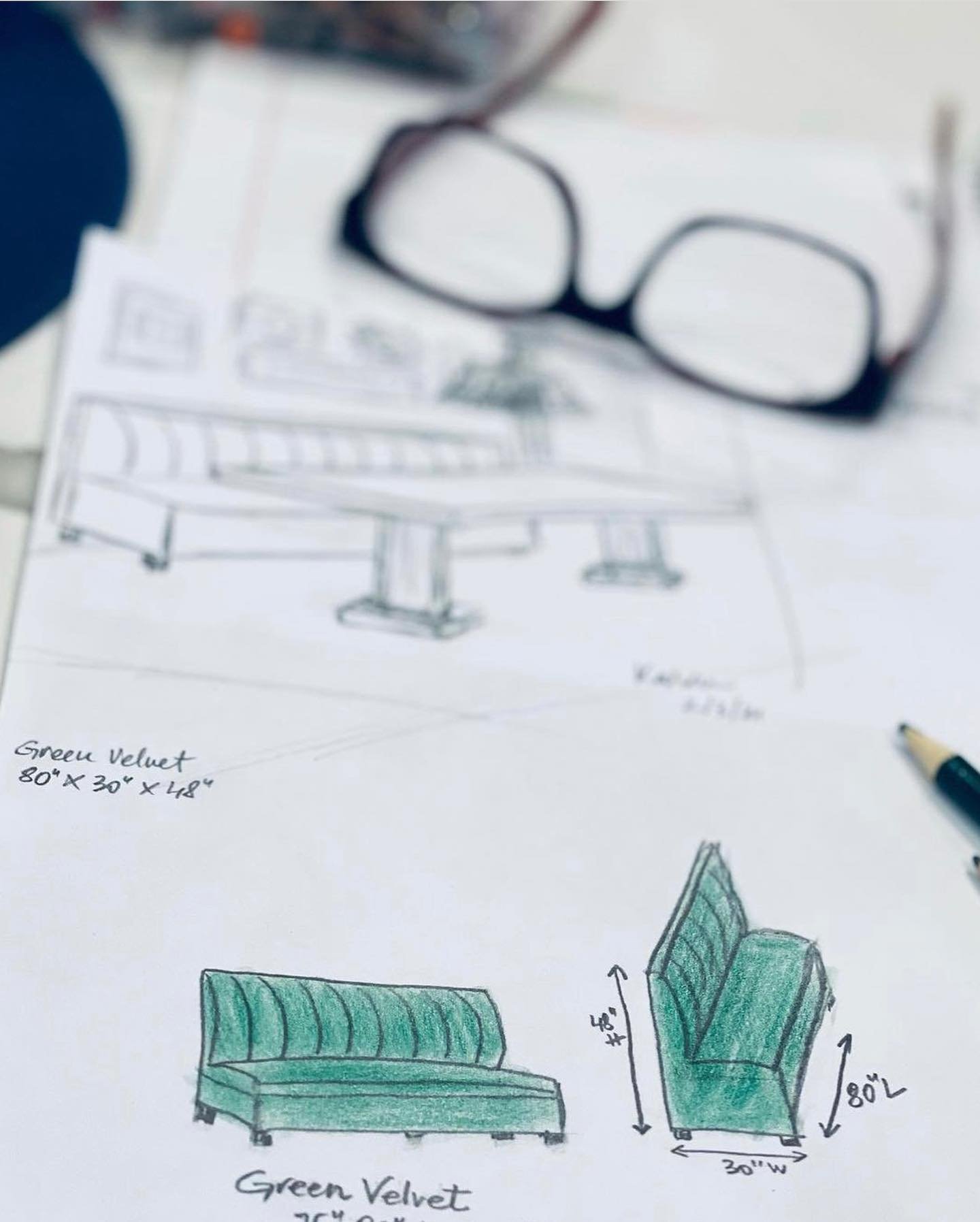
Interior design involves much more than choosing attractive furnishings or creating a moodboard. A qualified interior designer understands space planning, scale, lighting, materials, construction documentation, code considerations, cabinetry, and how design decisions affect the way a home is built.
For renovation projects, that technical knowledge becomes especially important. A design may look beautiful on paper, but it also needs to work with existing walls, plumbing, electrical systems, architectural details, and real-life construction conditions.
At Rust Belt, Dusty is a New York State Certified Interior Designer, bringing both creative vision and technical knowledge to projects. This allows our team to approach layouts, finishes, cabinetry, and renovation planning as connected parts of one design rather than separate decisions. When interviewing a designer, ask about their education, credentials, technical training, and experience preparing plans for construction. You need someone who can imagine the room—and help make sure it can actually be built.
Find a Portfolio That Feels Like You
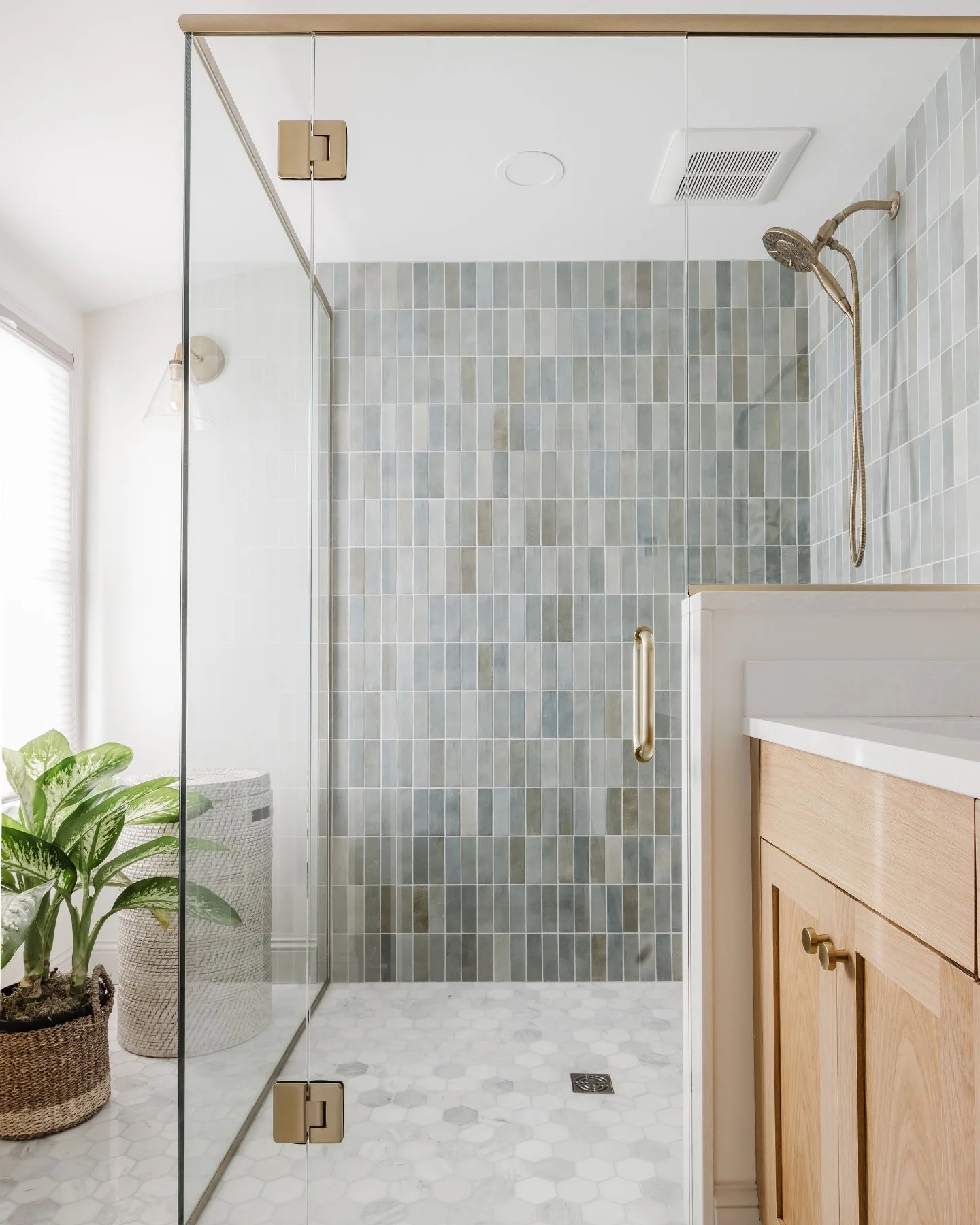
You should connect with a designer’s work, but that does not mean every project needs to look exactly like your dream home. A strong portfolio should show consistency in quality without making every client’s home look identical.
As you review past projects, ask yourself:
Do these spaces feel comfortable and livable?
Does the designer work well with different homes and architectural styles?
Can I see personality in the finished spaces?
Does the work feel layered and thoughtfully completed?
Are the rooms beautiful without looking too precious to use?
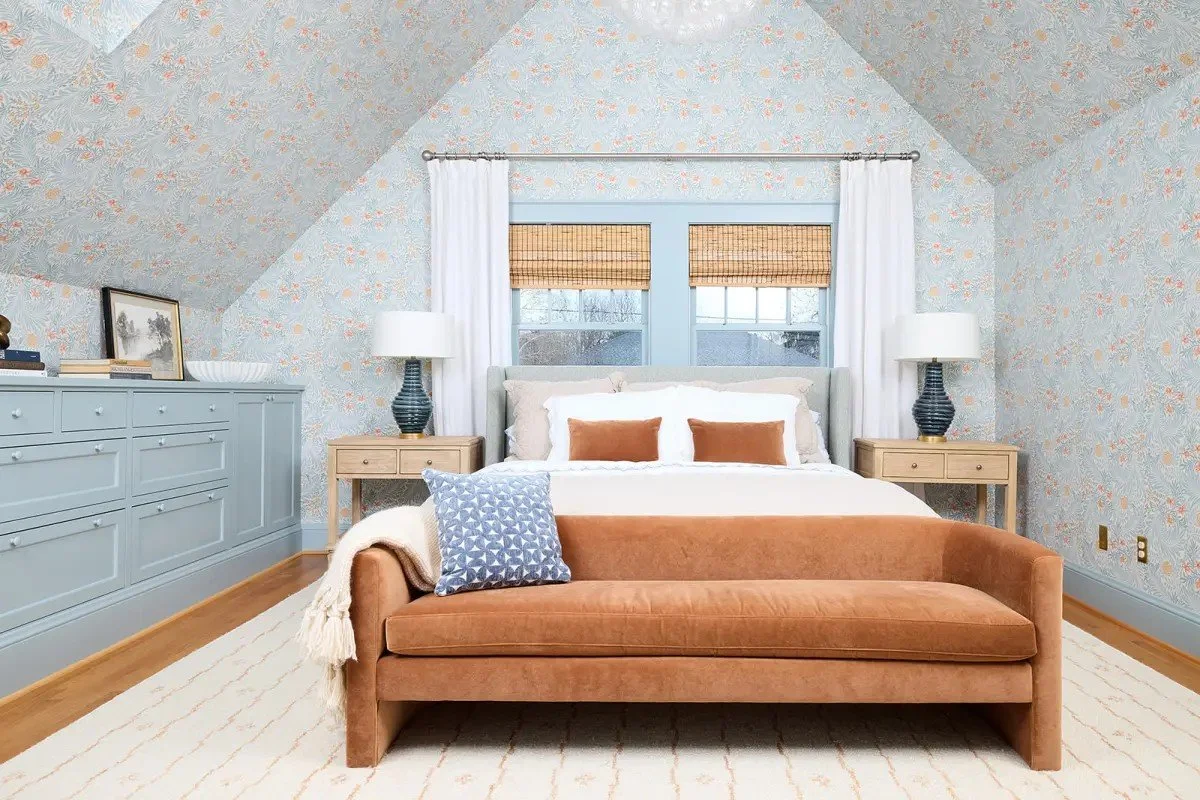
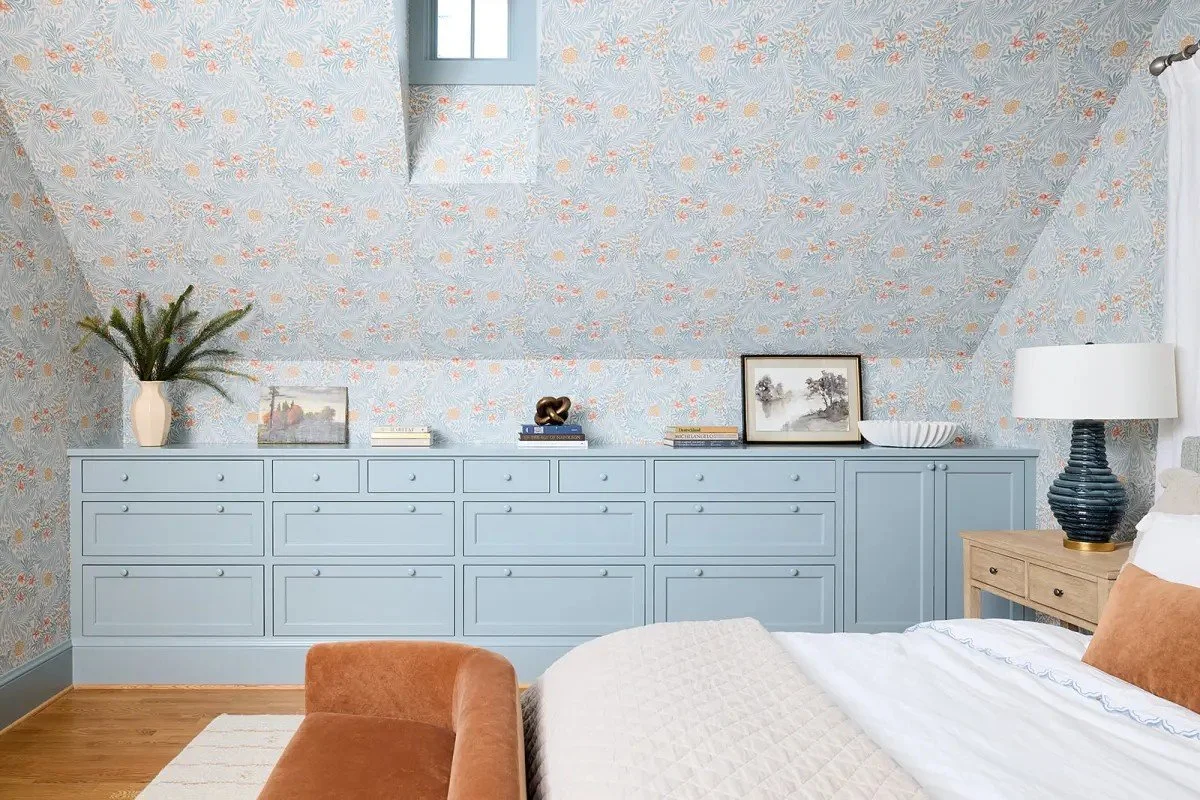
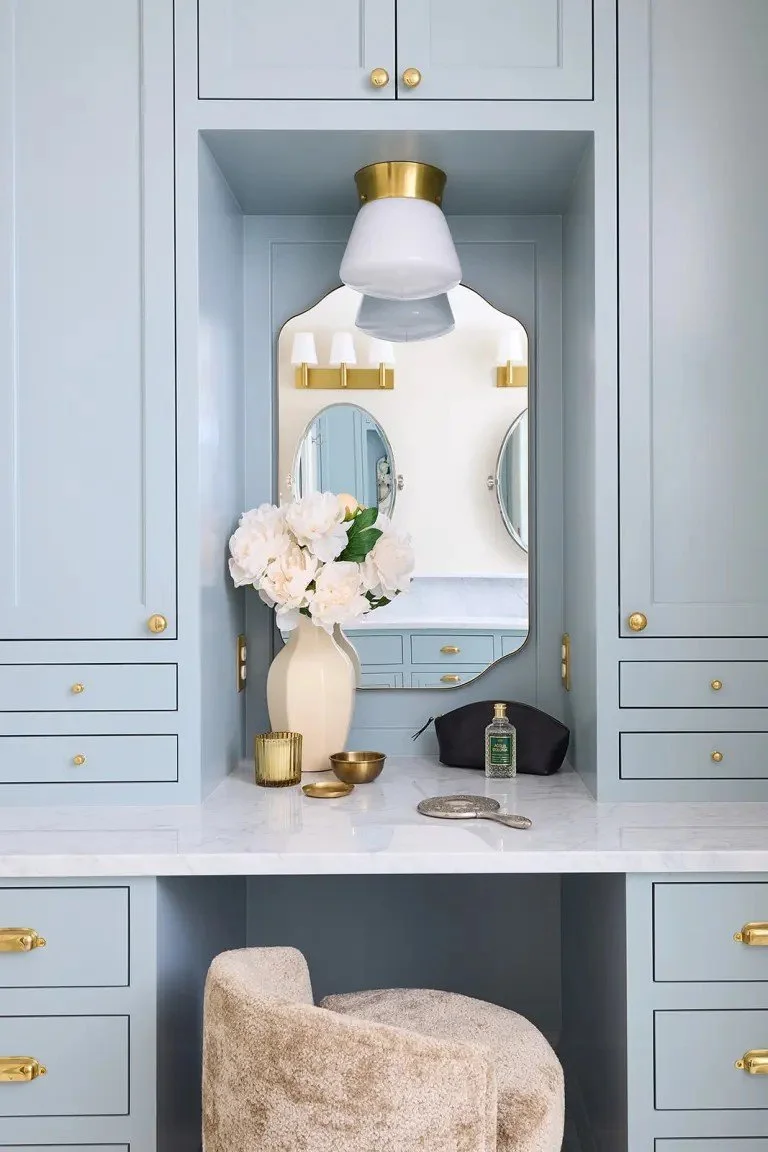
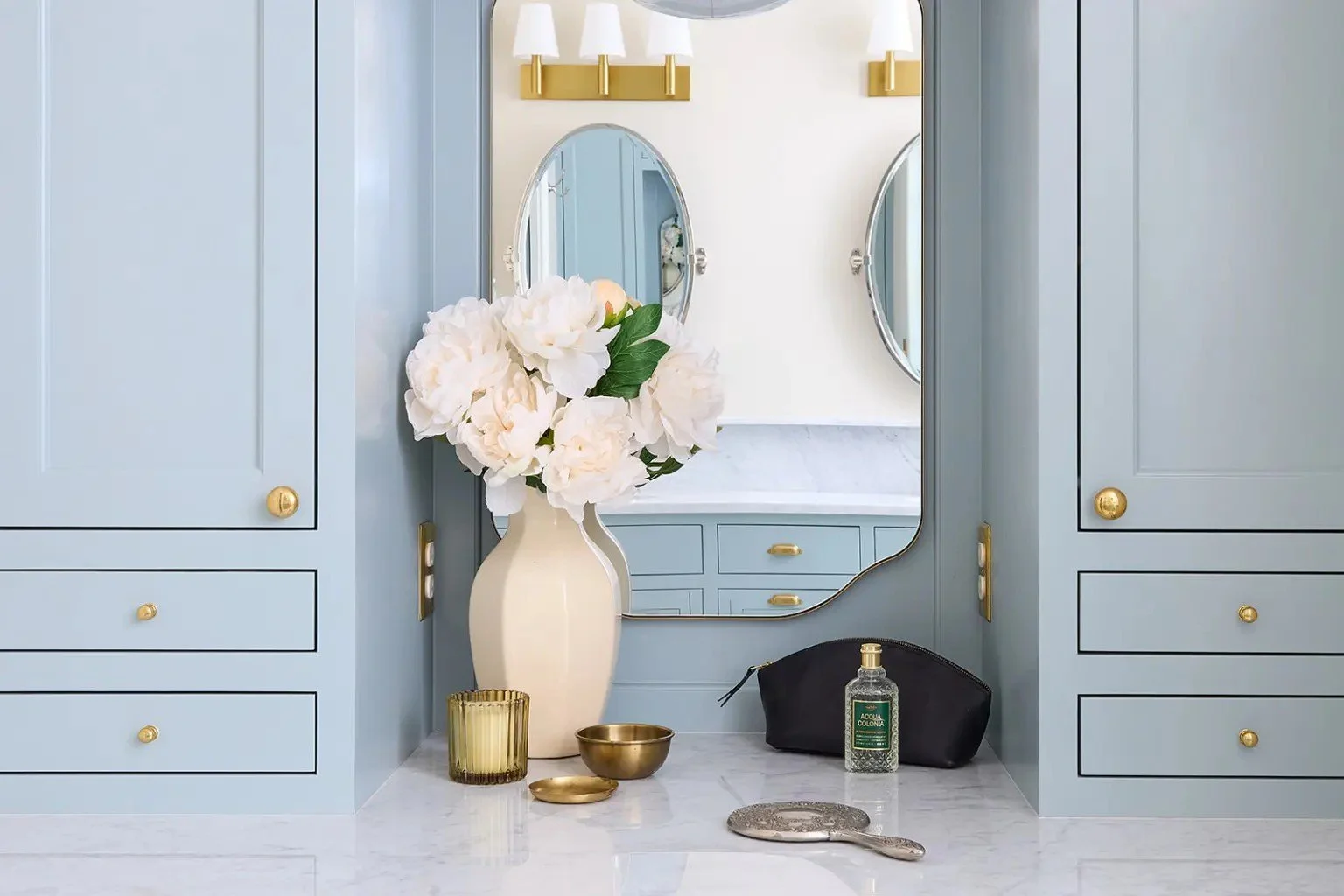
At Rust Belt, our work tends to feel warm, collected, functional, and connected to the character of the home. We may use bold color in one project, quiet neutrals in another, and historic details somewhere else entirely.
The goal is not to repeat one signature look. It is to create a home that feels like the people living there.
Choose Someone Experienced With Your Type of Project
Not every interior designer provides the same services. Some designers focus primarily on furnishings and styling. Others specialize in kitchens, bathrooms, new construction, historic homes, or large-scale renovation projects. There is nothing wrong with any of those specialties. The important part is choosing someone whose experience matches the work you are planning.
For a furniture refresh, you may not need someone who manages construction. But if your project includes walls moving, custom cabinetry, plumbing changes, electrical planning, permits, or multiple trades, you need a designer who understands those parts of the process.
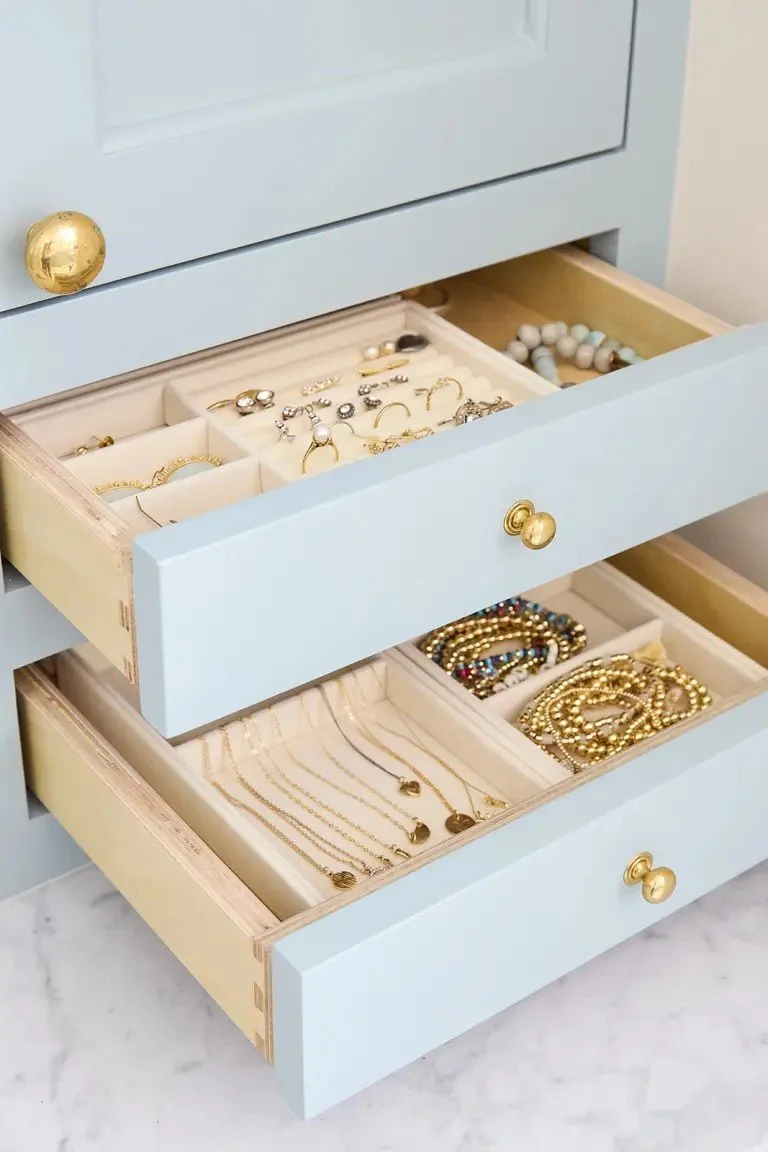
Rust Belt focuses on full-service residential design, custom cabinetry, and renovations. Our designers, cabinetmakers, and construction team work together in-house, allowing layouts, storage, materials, and building details to be considered as part of one cohesive project.
Before hiring a designer, ask:
Have you completed projects similar to mine?
Do you work with renovations or furnishings only?
Will you coordinate with contractors and trades?
Do you provide cabinetry or millwork planning?
How involved are you once construction begins?
The answers will help you understand whether their services truly fit your project.
Experience Matters Most When the Plan Meets Real Life
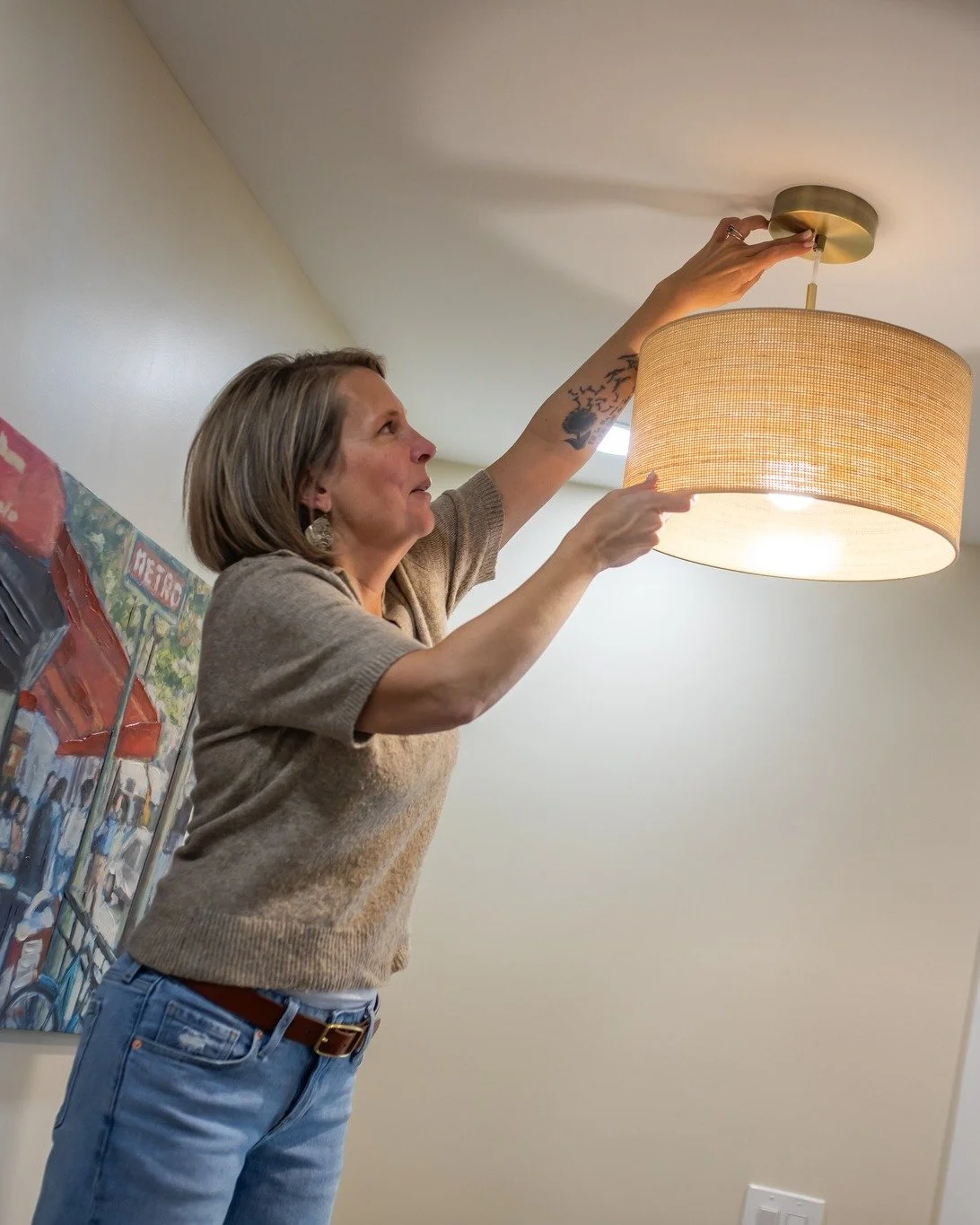
Design always looks a little easier before construction begins. Then a wall is opened. A measurement changes. A product is discontinued. An older Buffalo home reveals one of its many charming little surprises.
This is where experience becomes invaluable.
An experienced designer knows how to adjust without losing the overall design direction. They understand how one change affects other selections, pricing, installation, and the final look of the room. They should also be able to communicate clearly with contractors, cabinetmakers, electricians, plumbers, and vendors so everyone is working from the same information.
Ask potential designers how they manage unexpected conditions and how involved they remain during construction. You are not hiring someone because nothing will ever go wrong. Renovation has never made that promise to anyone. You are hiring someone who knows how to respond thoughtfully when something changes.
Communication Can Make or Break the Experience
Good design depends on trust, collaboration, and clear communication.
Before hiring a designer, ask how communication is handled throughout the project. Will there be regular meetings? Where are selections documented? How will you receive updates? Who answers construction questions? What happens when a decision needs to be made quickly?
At Rust Belt, we believe clients should understand what is happening, what comes next, and why certain decisions are being recommended. Because our interior design, cabinetry, and renovation teams work together, information stays connected throughout the project. You should never feel like you are chasing five separate people for one answer.
A good designer will also listen carefully. They should be able to guide you confidently without making you feel as though your home is no longer yours.
Budget and Scope Should Be Discussed Early
A strong interior designer will not avoid conversations about money. They will help you understand what your project may require, where your investment will have the greatest impact, and whether your wish list aligns with the available budget.
That does not mean every price can be known during the first conversation. Renovations involve many variables, and final costs depend on scope, materials, existing conditions, cabinetry, and finish level. But the designer should be willing to discuss realistic expectations from the beginning.
Ask:
How are design fees structured?
What is included in the proposed scope?
How are furniture and materials purchased?
Are trade discounts passed along or marked up?
How are changes and additional services handled?
How will the project budget be tracked?
Clear conversations early are far less uncomfortable than expensive surprises later.
Ask About the Design Process
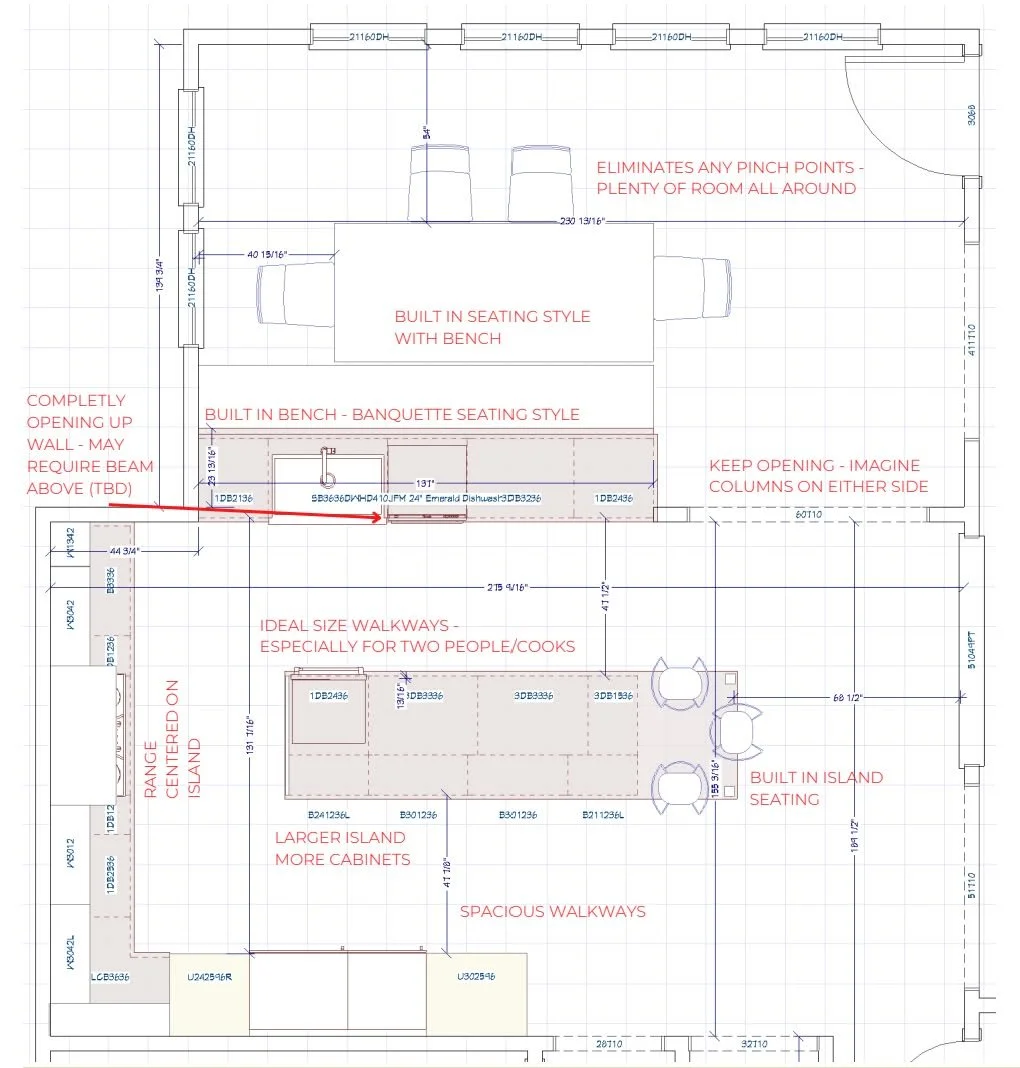
A professional designer should be able to explain how a project moves from the first consultation to the finished space.
Their process may include:
Initial consultation and project discovery
Measurements and existing-condition documentation
Space planning and concept development
Moodboards, materials, and design direction
Cabinetry, lighting, and finish selections
Drawings and visual presentations
Client approvals
Purchasing and procurement
Construction coordination and site visits
Installation, styling, and final walkthrough
You do not need every project to follow the exact same formula, but there should be a clear structure. A defined process creates accountability, keeps decisions organized, and helps prevent important details from slipping through the cracks.
The Right Tools Help You Make Better Decisions
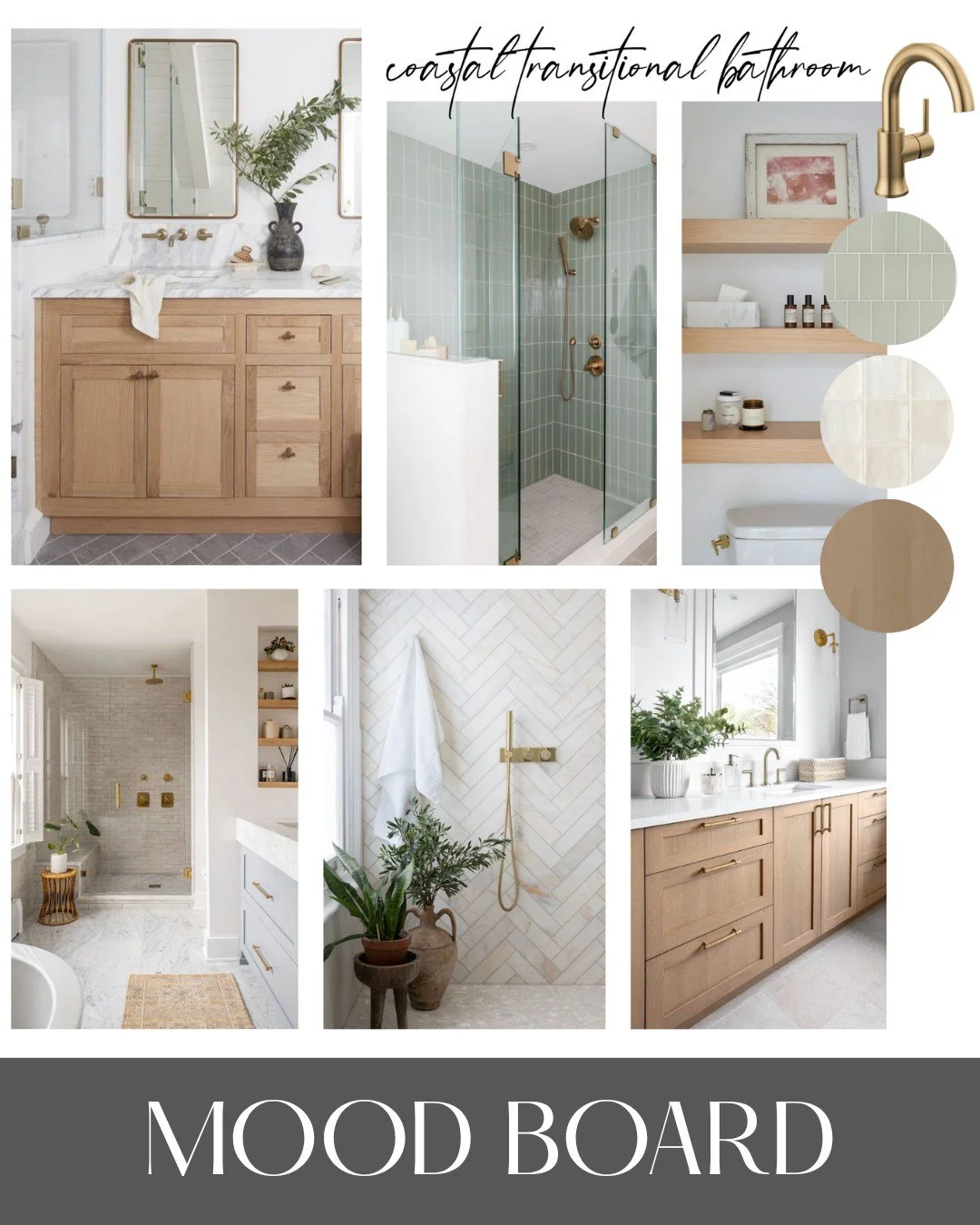
It can be difficult to commit to a layout or finish when you cannot fully picture how everything will come together. Ask designers what tools they use to communicate the design.
Depending on the project, this may include:
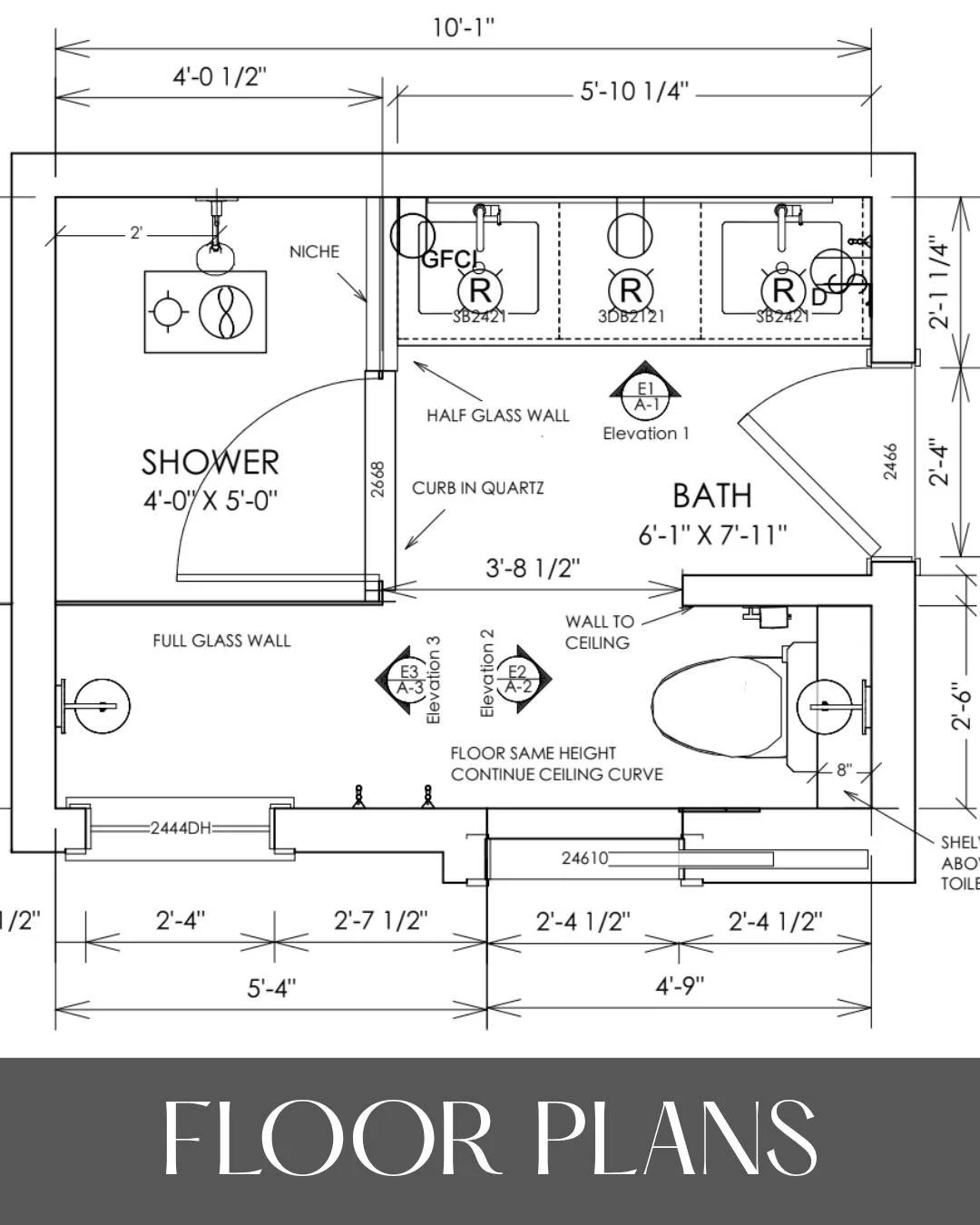
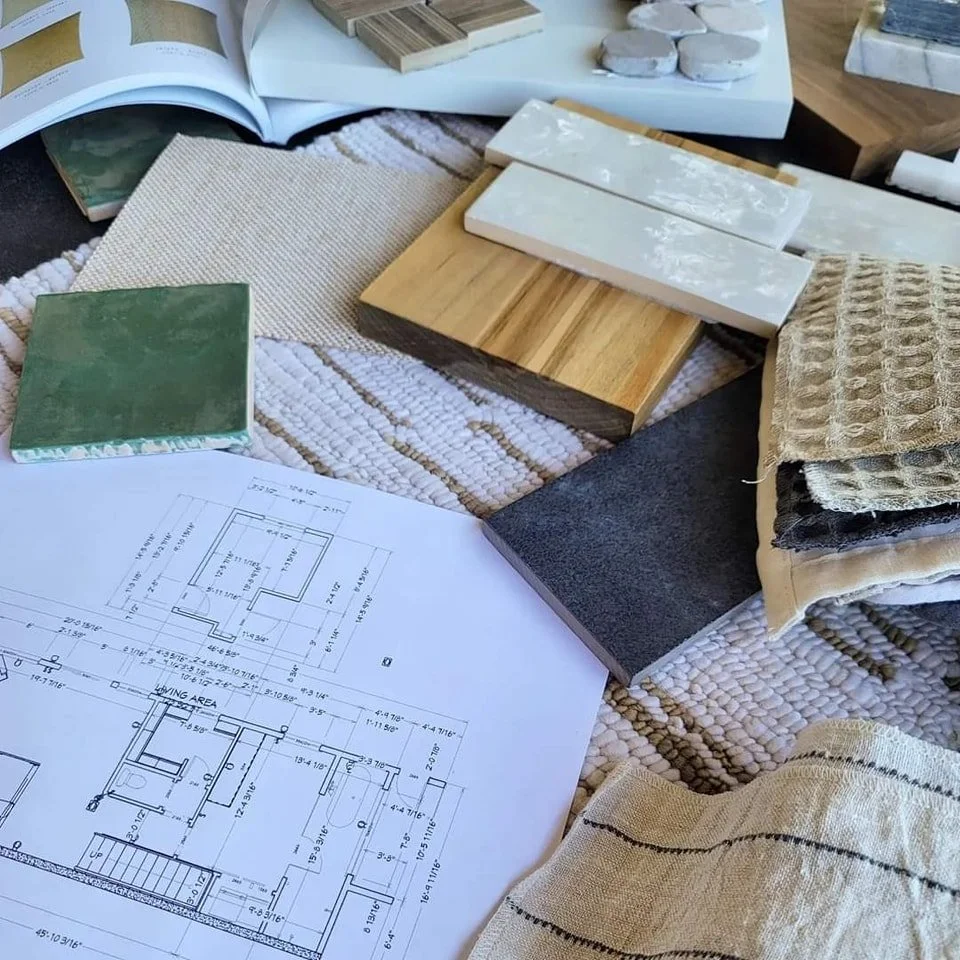
Floor plans
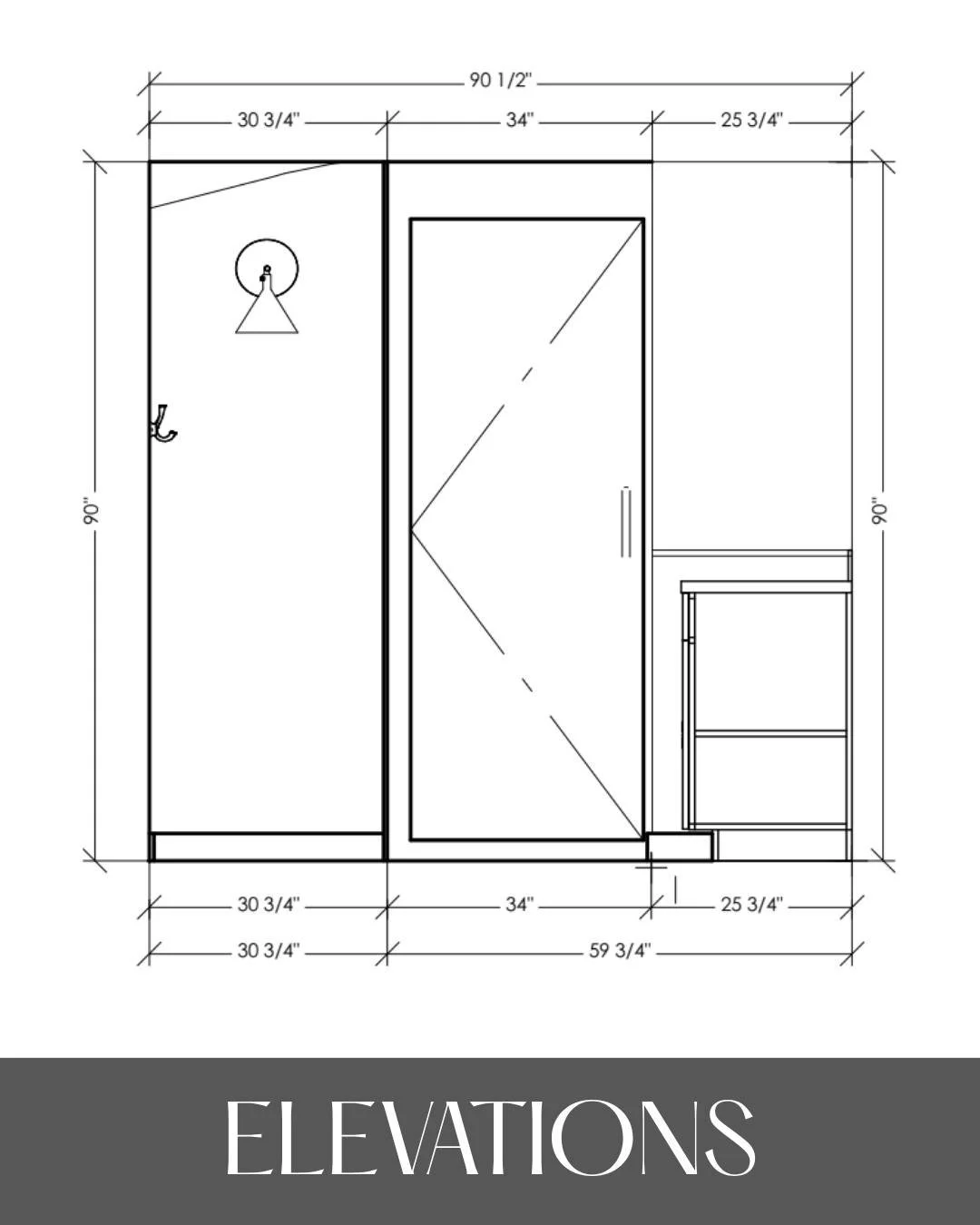
Cabinet elevations
CAD drawings
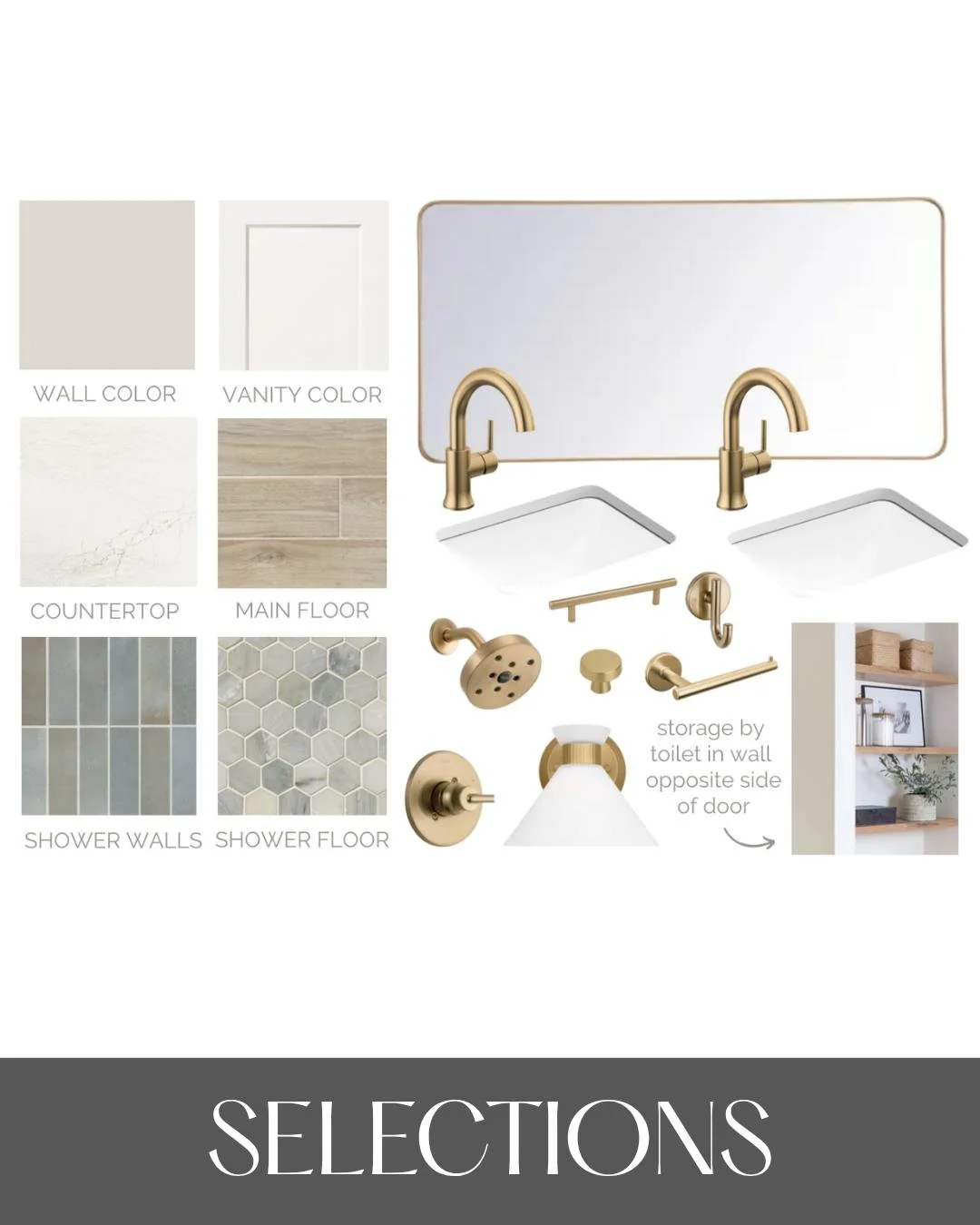
Moodboards
Material samples
Furniture layouts
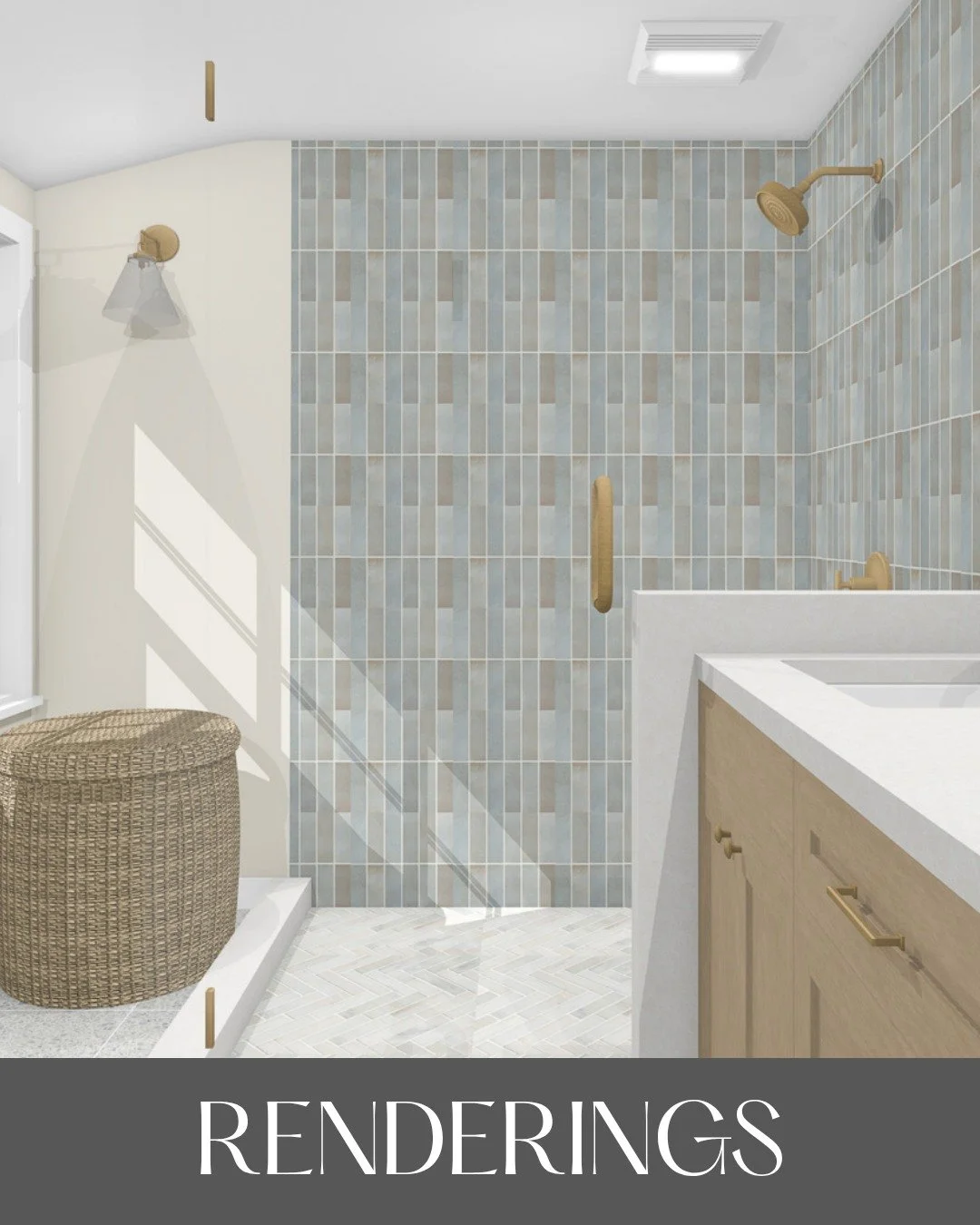
3D renderings
Lighting and electrical plans
These tools help you understand proportion, placement, circulation, and how the individual selections relate to one another. They also allow important decisions to be made before construction begins—when adjustments are usually much easier and less expensive. Less guessing. Fewer “I thought that would look different” moments. Everyone wins.
Review the Proposal and Contract Carefully
The creative side of interior design should feel exciting. The business side should feel clear. Before beginning, you should receive a written proposal or agreement outlining:
The project scope
Included design services
Design fees
Purchasing or procurement terms
Payment schedule
Estimated timeline
Communication expectations
Revision limits
Additional-service fees
Cancellation or termination terms
Ask questions about anything that feels unclear. A detailed agreement protects both the homeowner and the designer. It also creates a shared understanding of what the relationship will look like before the first tile or sofa is selected.
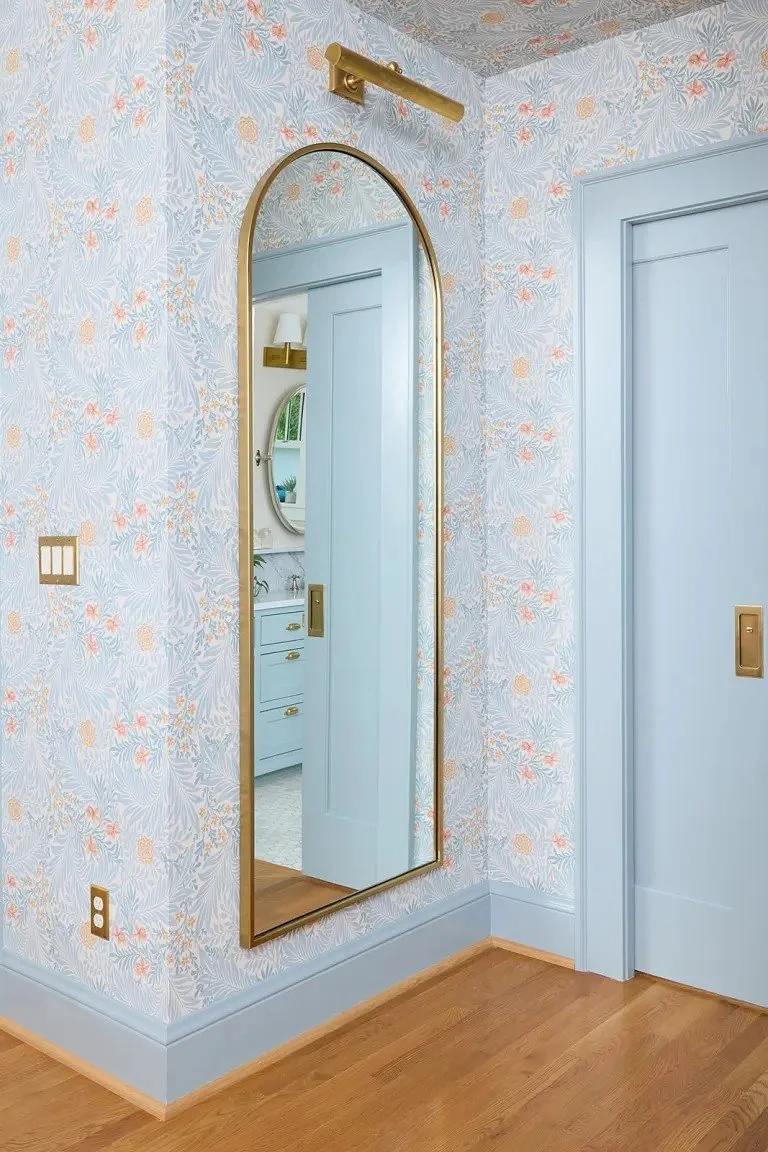
“No surprises” is a lovely goal for both contracts and powder-room wallpaper.
Consider Local and Historic-Home Experience
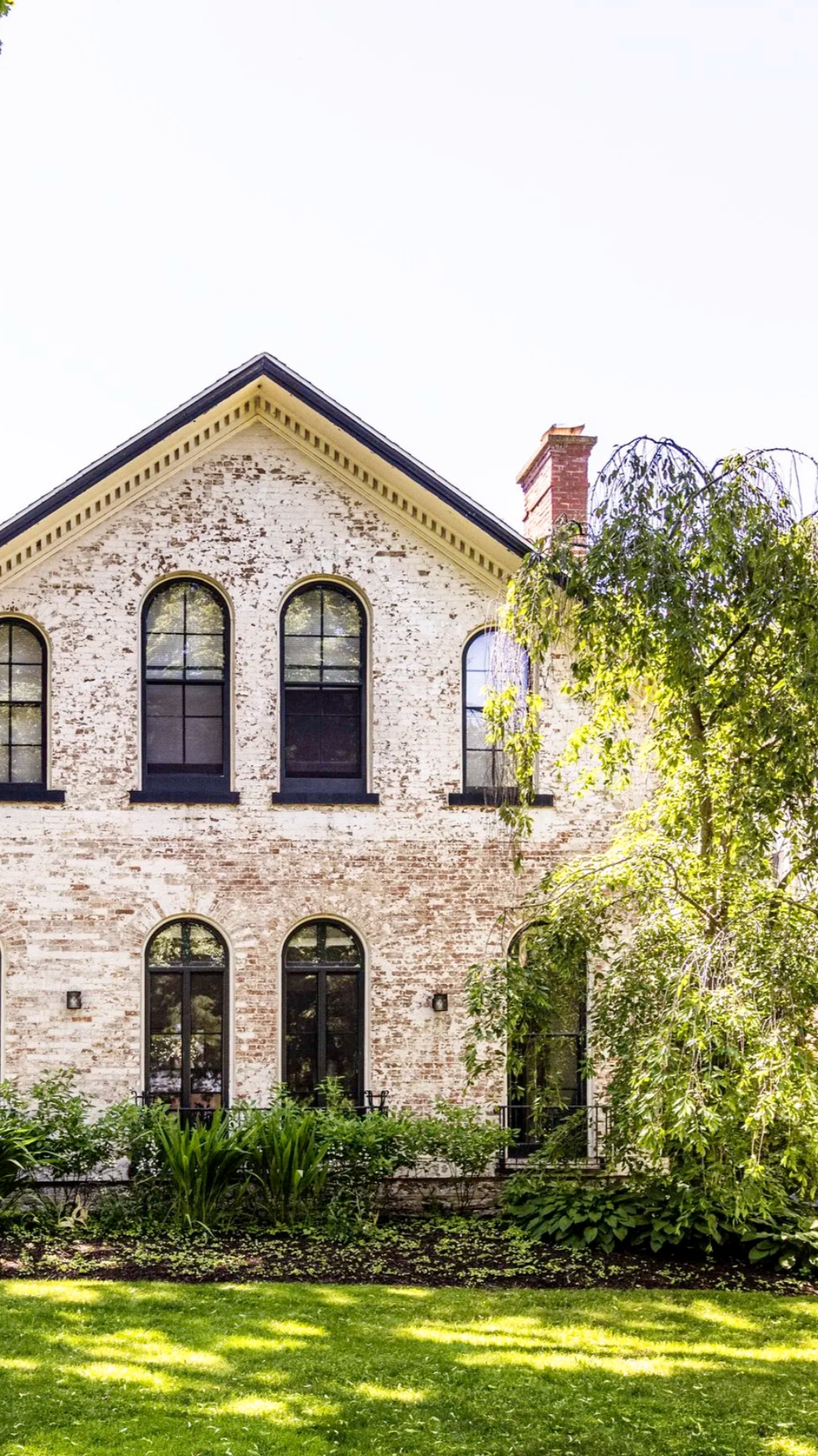
Hiring a designer familiar with Buffalo and Western New York can be especially helpful when working with an older or character-rich home.
Homes throughout Elmwood Village, Allentown, Parkside, North Buffalo, Kenmore, Amherst, and surrounding communities often have original millwork, unusual layouts, aging systems, uneven walls, and architectural details worth preserving. A designer with local renovation experience will better understand how to introduce modern functionality without stripping away everything that makes the home special.
They may also have established relationships with local trades, vendors, fabricators, and suppliers, helping the project move more smoothly. Your home does not need to become a museum. But it also should not wake up one morning wondering where all its personality went.
And Honestly, Do the Vibe Check
This part is not especially technical, but it matters. You may work closely with your designer for several months—or longer. You will talk about money, daily routines, personal preferences, frustrations with your home, and how your family lives.
Choose someone who listens.
Choose someone who can be honest without making you feel dismissed.
Choose someone whose process feels organized but still human.
At Rust Belt, we take the work seriously, but we do not believe the experience needs to feel overly formal or intimidating. Our role is to guide, problem-solve, and help homeowners feel more confident as the project moves forward. You should leave the first conversation feeling understood, not steamrolled.
Questions to Ask Before Hiring an Interior Designer
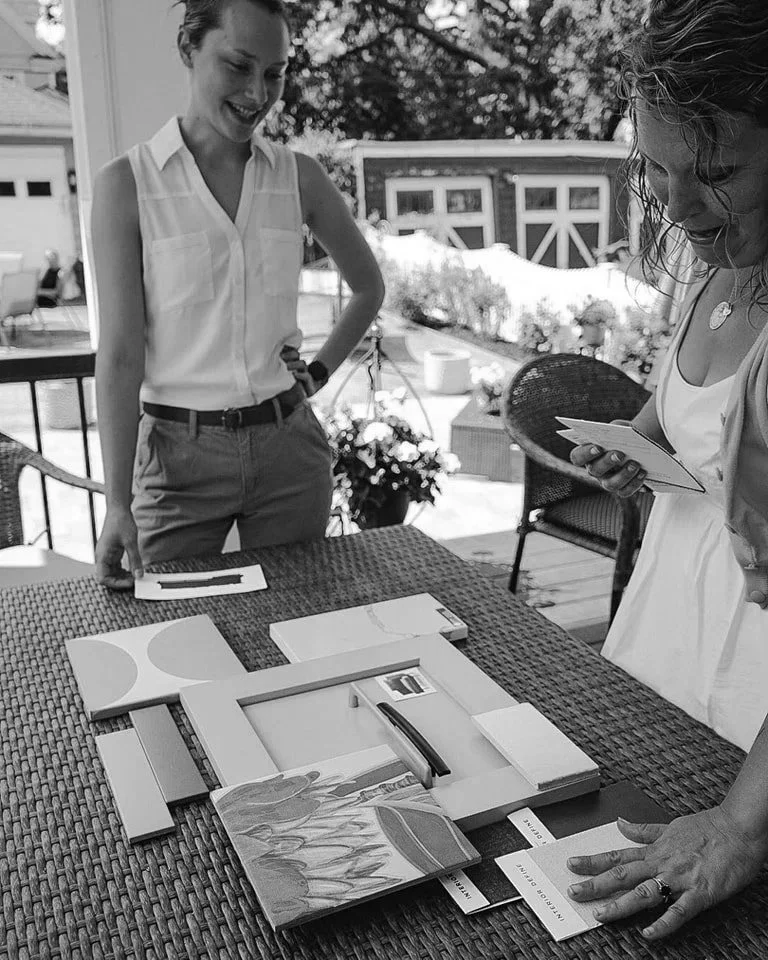
Bring these questions to your consultation:
What types of projects do you specialize in?
What services are included?
What credentials and technical experience do you have?
How do you establish project scope and budget?
How do you communicate with clients?
Do you coordinate with contractors and trades?
Who will be working on my project?
How are drawings, selections, and approvals documented?
How involved are you during construction?
What happens when the scope changes?
Can I speak with or read reviews from past clients?
What does your typical timeline look like?
A good designer should welcome thoughtful questions. You are making a meaningful investment in your home, and you deserve to understand the process.
Finding the Right Interior Designer for Your Home
Choosing the right interior designer is not about finding the person with the trendiest Instagram feed or the largest collection of perfectly styled photographs. It is about finding someone who understands your home, your lifestyle, your priorities, and the level of support your project requires.
Look for a balance of creativity and technical knowledge. Review the process, not just the portfolio. Ask about communication, budget, construction involvement, and how problems are handled. And yes, pay attention to how you feel during the conversation.
The right designer should help the project feel clearer, more organized, and more personal—not more overwhelming.
Start the Conversation
Rust Belt provides full-service interior design, custom cabinetry, and renovation services throughout Buffalo and Western New York.
Whether you are planning a kitchen renovation, restoring a historic home, furnishing multiple rooms, or transforming your entire interior, our in-house team can guide the project from the earliest design ideas through cabinetry, construction, and final installation.
Tell us a little about your home, what is not working, and what you hope the next chapter will feel like. We would love to hear what you are planning.