More space. Better flow. A kitchen that finally works. A home that feels more like you.
Whether you’re planning a full renovation, a custom home project, or a large-scale remodel, preparation is one of the biggest factors in how smooth and successful the experience will be. The prettiest inspiration images in the world can only take a project so far if the planning, budget, team, and details are not thought through early.
At Rust Belt, we look at remodeling and new construction through a design-led lens. That means we are not only thinking about what your home will look like, but how it will function, how it will feel day to day, and how every decision connects from layout and cabinetry to lighting, finishes, furnishings, and construction.
Below is our guide to preparing for a remodel or new build in a way that sets the entire project up for success.
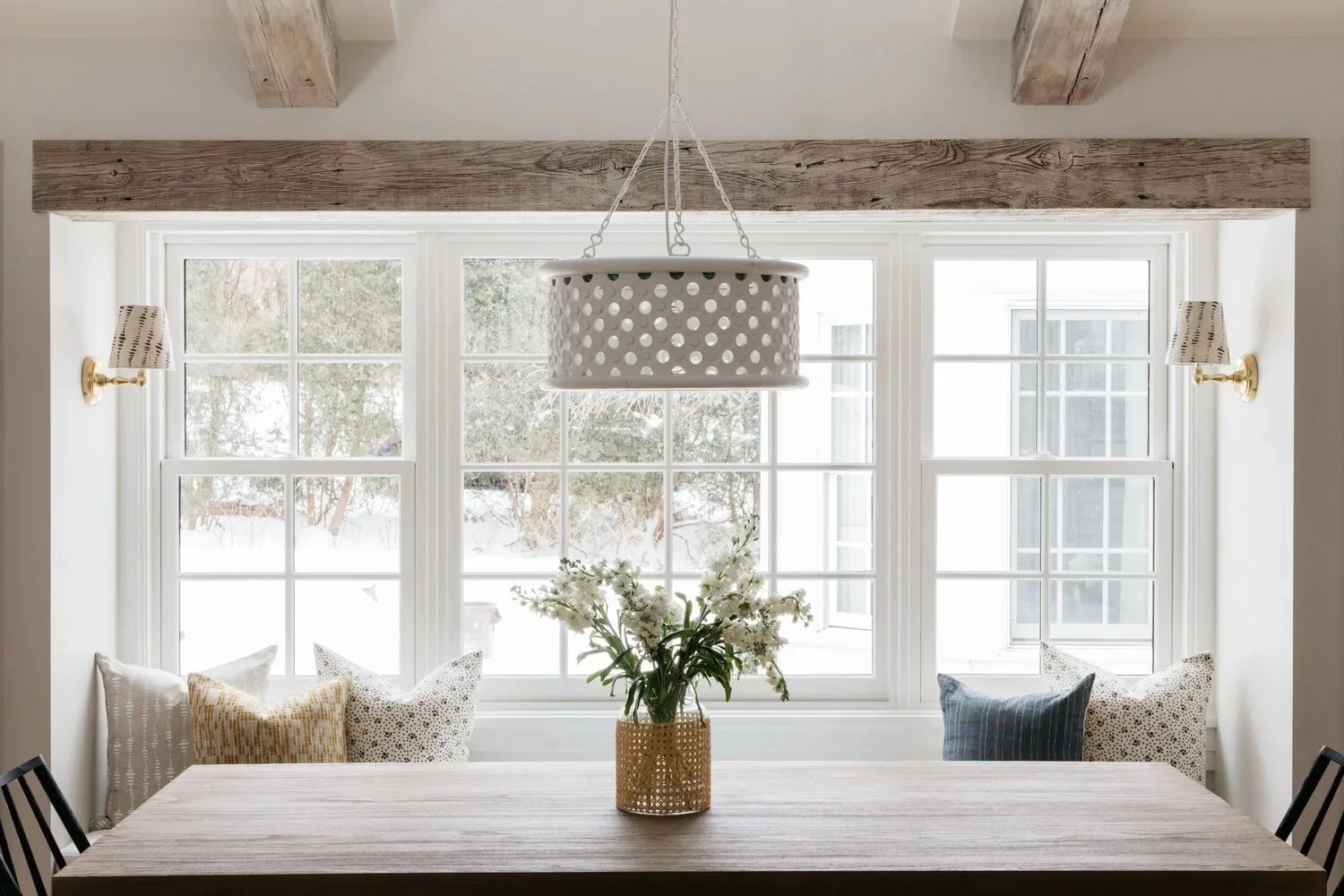
A Quick Look at What Matters Most
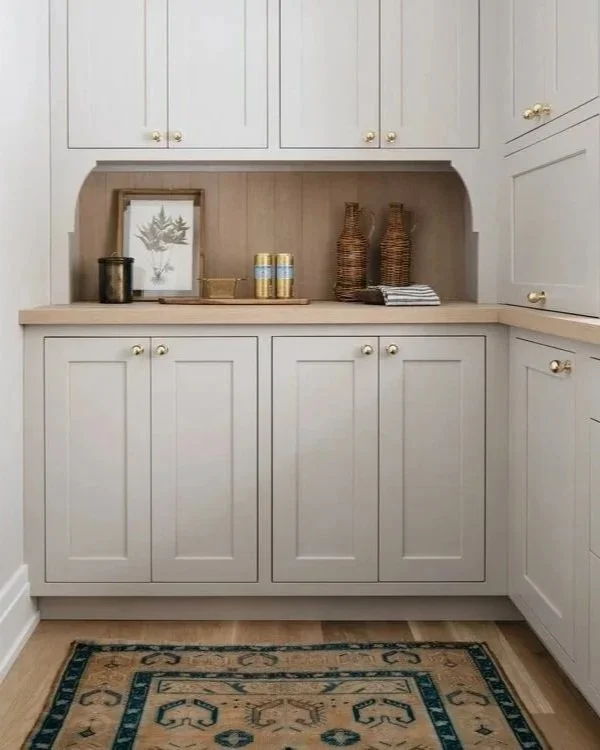
1. Clarify how you want to live
Before choosing finishes, layouts, or inspiration images, it is important to understand what you actually need from your home. The best projects begin with honest conversations about daily routines, pain points, storage needs, family habits, entertaining, and long-term goals.
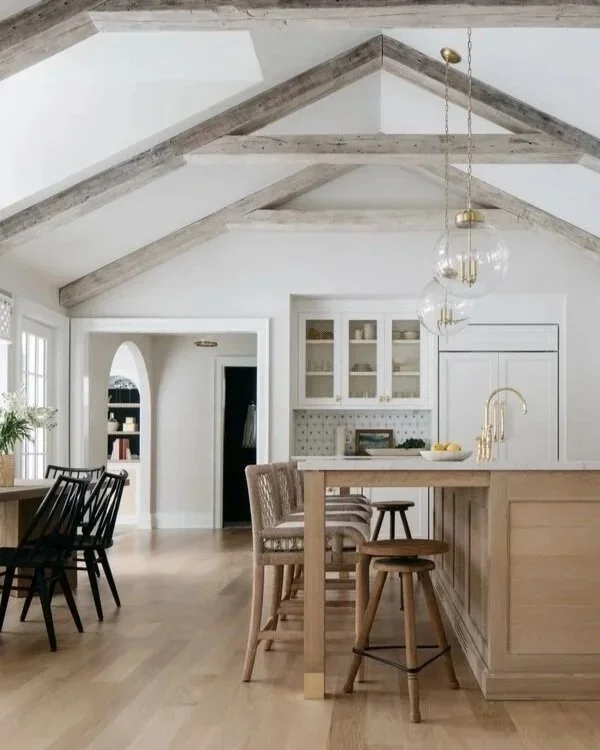
2. Build the right team early
A successful remodel or new build depends on having the right people involved from the beginning. When design, cabinetry, construction, and planning are working together early, the project becomes more cohesive, better organized, and less reactive once work begins
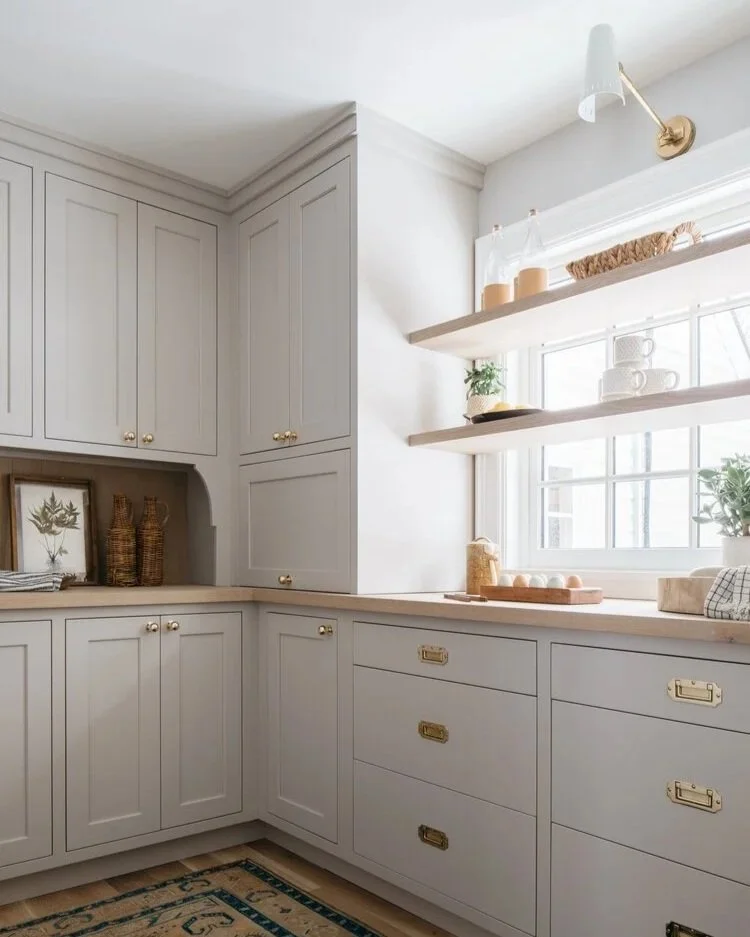
3. Set a realistic budget and scope
Budget and scope need to be developed together. A renovation budget should account for more than construction alone it should also include materials, cabinetry, lighting, furnishings, design, and a contingency for unexpected conditions.
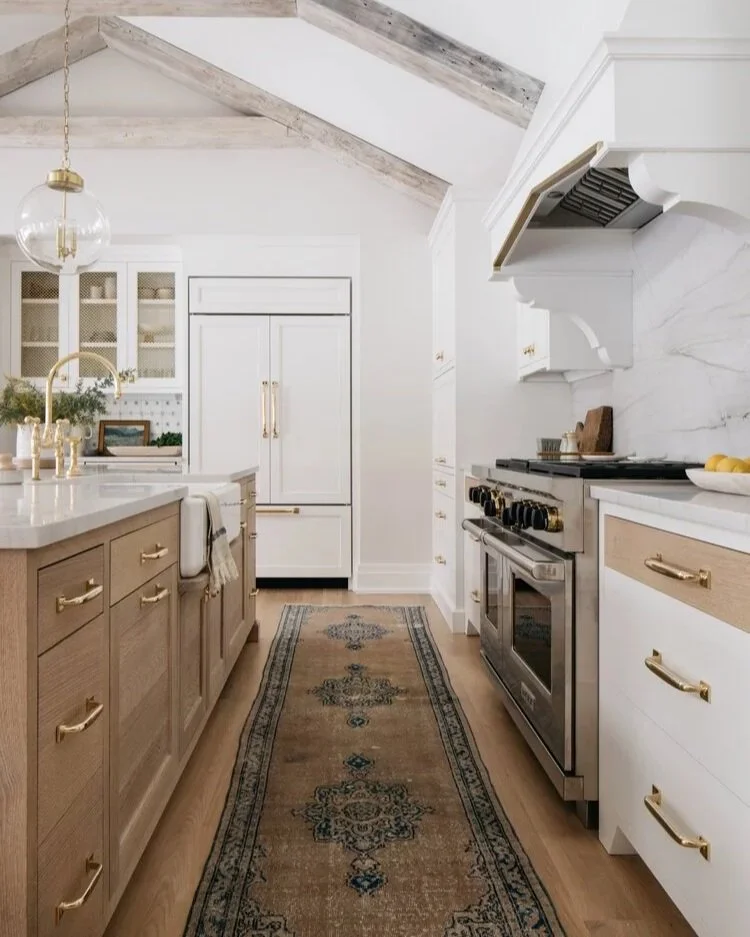
4. Lock in major decisions up front
The earlier major decisions are made, the smoother the project usually becomes. Layouts, cabinetry, plumbing locations, electrical plans, appliances, lighting, and key finish selections all impact pricing, scheduling, and construction.
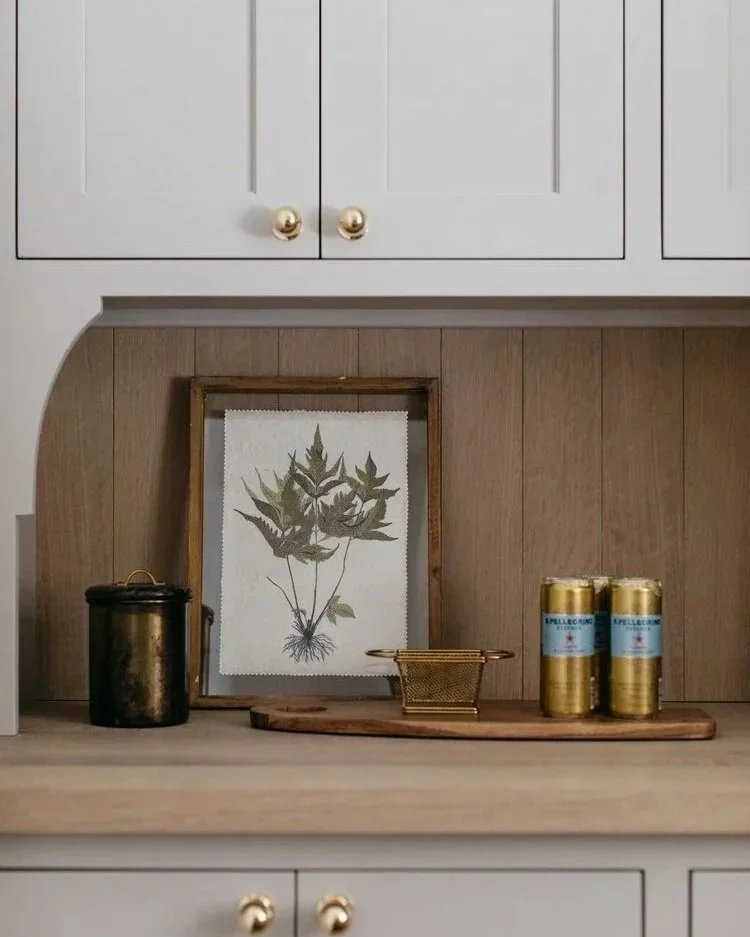
5. Protect the details that make it feel finished
The details are what make a project feel intentional rather than simply updated. Trim profiles, built-ins, cabinetry details, lighting, hardware, textiles, and furnishings all work together to create a home that feels complete.
Let’s Break It Down
Here’s what each step really means and why it matters before your project begins.
1. Clarify How You Want to Live Before Thinking About Style
Before you start choosing tile, saving cabinet colors, or building a folder full of inspiration images, pause and think about why you are doing the project in the first place … Ask yourself:
How do we want our home to function day to day?
What currently feels frustrating or inefficient?
Where do we need better storage?
How do we gather, cook, host, relax, and move through the home?
Are we designing for how we live now, or how we want to live long-term?
Inspiration images can absolutely be helpful, but when decisions are driven only by aesthetics, the final result can miss the mark. A beautiful kitchen that does not have enough storage or a stunning living room that does not support the way your family actually gathers will eventually become frustrating.
The strongest projects begin with lifestyle first. The look comes after that.
When we design a renovation or new build, we want to understand the rhythms of the home. Morning routines, school bags, coffee stations, hosting, laundry, pets, pantry storage, quiet spaces, and family flow all matter. These details shape the layout, cabinetry, materials, and final design in a way that feels personal and livable.
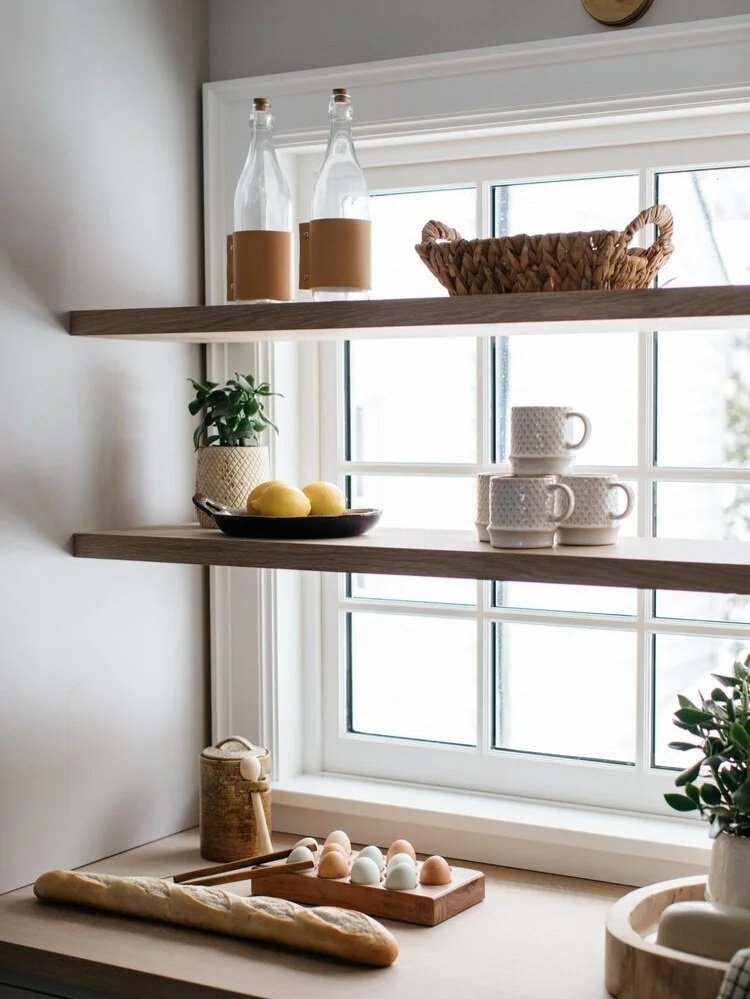
2. Build the Right Team Early
One of the biggest mistakes we see is bringing key professionals into the project too late. Whether you are planning a remodel, working with an architect, or starting a custom home, your designer, builder, cabinetry team, and construction professionals should be involved as early as possible. So many decisions affect one another, and when they happen in isolation, things can become expensive, delayed, or disconnected.
Selections often need to be made much earlier than homeowners expect. Cabinetry, plumbing fixtures, appliances, lighting locations, flooring, tile, and millwork all affect construction planning and pricing. When those decisions are vague, the budget is vague too.
This is one of the reasons we believe so strongly in an integrated design-build process. When design, cabinetry, and renovation planning happen together, the project has a clearer direction from the start. The layout supports the cabinetry. The cabinetry supports the storage needs. The lighting supports the design. The materials support the way the home will actually be used. Early collaboration leads to a more cohesive design, a healthier budget, and a smoother build overall.
3. Set a Realistic Budget and Scope
Most homeowners begin with a wish list that is larger than their budget. That is completely normal. The important part is getting honest about priorities early. Your budget should realistically include:
Construction and labor
Materials and finishes
Custom cabinetry and millwork
Appliances
Plumbing and lighting fixtures
Design fees
Furnishings, rugs, window treatments, and styling
A contingency of at least 10% for unforeseen circumstances
This is especially important in older homes, where unexpected conditions can come up once walls are opened or existing finishes are removed. Planning for a contingency is not pessimistic it is responsible.
At the same time, be honest about scope. More square footage is not always the answer. A well-designed home with thoughtful layouts, quality materials, custom storage, and strong architectural details will often feel better than a larger home filled with compromises.
This is where quality over quantity truly matters. A smaller, well-planned mudroom may change your daily life more than a large but poorly organized addition. A custom kitchen designed around how you cook, gather, and store things will always feel better than one built around trends alone.
4. Lock in Major Decisions Early
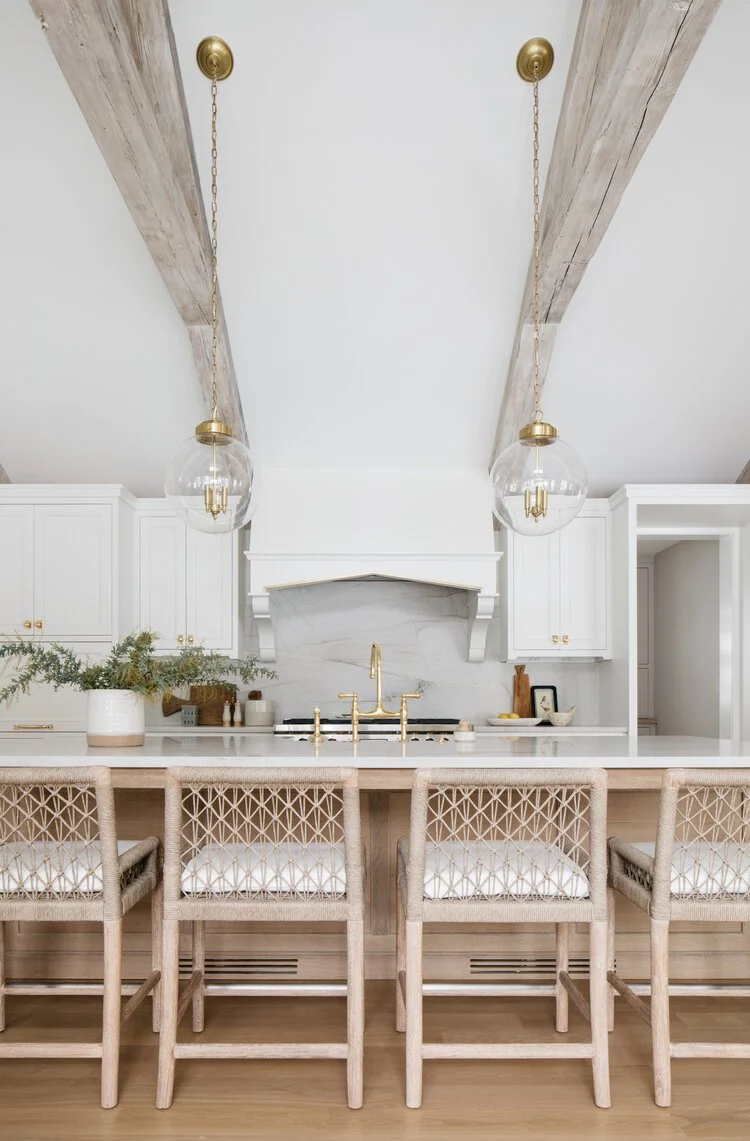
Major decisions made early are one of the best ways to protect your timeline, your budget, and the final outcome of your project.
This includes:
Floor plans and layouts
Cabinetry and millwork
Appliance locations
Plumbing locations
Electrical and lighting plans
Tile layouts
Flooring transitions
Smart home systems
Built-ins and storage solutions
Key architectural details
When these choices are made piece by piece during construction, the project can start to feel reactive. Budgets climb. Timelines stretch. Decisions become rushed. And the final result can feel like a collection of choices rather than one cohesive design. When the big decisions are made upfront, the project has a roadmap.
For example, cabinetry should not be treated as an afterthought. Cabinet layouts affect electrical planning, plumbing locations, appliance clearances, countertop measurements, storage, lighting, and the overall flow of the room. When cabinetry is designed early, the rest of the project can be planned more accurately around it.
The same is true for lighting. Waiting too long to think through lighting can lead to missed opportunities for sconces, under-cabinet lighting, pendants, art lighting, or layered ambient light that makes the home feel warm and finished. The earlier these decisions are made, the more intentional the finished space will feel.
5. Prioritize the Details That Make It Feel Custom
The difference between a good project and a great one is almost always in the details.
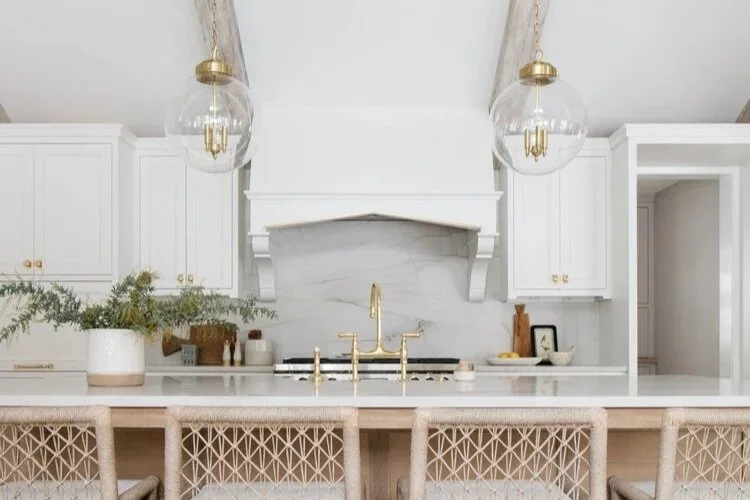
Architectural elements like trim profiles, paneling, ceiling treatments, built-ins, cabinetry details, hardware, lighting, and millwork add depth and character to a home. These are often the first items people consider removing when budgets get tight, but they are also the details that make a home feel layered, intentional, and complete. They are also much harder and more expensive to add later.
Custom cabinetry, built-ins, and millwork should be considered early in the design process—not added at the end. These elements help shape how the home functions and how it feels architecturally. They can create storage, define a room, add warmth, and make a newer renovation feel connected to the character of the home.
This is especially important in historic homes or older Buffalo-area properties, where the wrong details can feel out of place quickly. New work should respect the scale, proportion, and character of the home while still supporting modern living. When architectural details are planned from the beginning, the final result feels finished instead of simply renovated.
Remodeling or Building From Afar?
Long-distance projects require even more preparation.
If you are planning a remodel, renovation, or new build while living out of town, clear communication and organized decision-making become essential. The more that can be selected, documented, and approved early, the smoother the process will be once construction begins.
For long-distance clients, we recommend having:
A clear design plan
Detailed finish selections
Cabinetry drawings and layouts
Organized communication channels
A trusted team overseeing the project locally
Regular updates and progress check-ins
Clear approval points throughout the process
When decisions are organized and made intentionally, projects can still move forward successfully even when you are not nearby every day.
Final Thoughts
Preparing for a remodel or new build is not about checking boxes. It is about creating clarity before the work begins.
The best projects are rooted in thoughtful planning, honest conversations, realistic expectations, and a team that understands how design and construction need to work together. When your layout, cabinetry, materials, lighting, furnishings, and construction details are considered early, the entire project becomes more cohesive.
And the final result does not just look beautiful. It supports the way you live.
Whether you’re embarking on a new build or a full-scale renovation, our comprehensive design approach encompasses cabinetry, lighting, plumbing fixtures, and custom furnishings ensuring a cohesive, elevated, and luxurious result. Our passion for crafting beautifully curated spaces is at the heart of everything we do.We believe your home should be a true reflection of you an environment that feels elevated, effortless, and deeply personal. Thoughtful design has the power to transform not only your space, but the way you live within it.Let’s begin.Written by Rust Belt’s in-house design and cabinetry team, specializing in interior design, custom cabinetry, and luxury renovations throughout Buffalo and Western New York.